2025 Annual Report
The Jewish Fund
Letter from the Board Chair & the Executive Director
A Message from our Board Chair, Jeff Schlussel and our Executive Director, Margo Pernick.
Read the Letter
Sosnick Award
And the 2025 Robert Sosnick Award of Excellence recipient is…
Read More About the Sosnick Award

Board Members and Staff
Meet Our PeopleLetter from the Board Chair & the Executive Director
“Let all who are hungry come and eat.”
Each spring, Jews around the world gather with family and guests and proclaim this stirring invitation that serves as the opening theme of the Passover Seder and the retelling of the Exodus story.
This declaration is not a ceremonial relic or nostalgic echo from another time. It is an enduring covenant—an obligation rooted in Jewish tradition to care for those in need. The Torah commands that farmers leave the edges of their fields unharvested so that the poor and the stranger may gather with dignity. From our earliest days as a people, sustenance and justice have been inseparable.
Today, as we reflect on an extraordinary year at The Jewish Fund—celebrating the remarkable work and impact of our grant partners, an honoring Alternative For Girls with the Sosnick Award—we also reaffirm our shared commitment to one of the most urgent challenges confronting our community: Hunger and food insecurity.
For thousands of families among us—and millions more across the country—the struggle to put food on the table has grown more severe. Our Board recognized this reality as we saw a steady rise these last few years in grant applications addressing hunger, confirmed by conversations with partners whose missions either focus on, or increasingly include, hunger relief. In response, The Jewish Fund Board elevated Hunger Relief and Food Insecurity to a Priority Area for grants—acknowledging the deepening crisis facing both the Jewish and the broader community.
The scope of the problem is sobering. Here are some real numbers. According to data from our friends at Forgotten Harvest, nearly half of all households in Wayne County experience food insecurity, as do roughly one in three in Oakland and more than a third in Macomb. Across Michigan, food banks now face demand surpassing even the peaks of the pandemic. Every day, families are forced to choose between buying groceries and paying rent—or between a meal and life-sustaining medicine.
Yet hunger is not merely the absence of food. It is a threat to health, to dignity, and to human potential. Those who face hunger endure worse health outcomes, diminished educational and economic opportunities, and a painful erosion of hope.
Like I noted at the outset, the scourge of food insecurity has existed for millennia. In our own country, for the last 100 years there has been a concerted effort between governmental assistance and private and charitable initiatives to address hunger. From the federal surplus food distribution during the Great Depression, to the War on Poverty and the expansion of food assistance in the 1960s, to the emergence of coordinated food banks in the 1980s, and to the more recent proliferation of food pantries and home delivery services for those in need, the methods to address the challenge evolve, yet the need persists.
Today, however, a convergence of economic pressures has made the crisis more acute than it has been in years. Rising food and housing costs, inflation, the end of pandemic-era benefits, recent government funding, with the added uncertainty of potential future cuts, and widening inequality have left many working families, children, and seniors struggling anew. As our Jewish sages teach, one who turns away the hungry is as if one has spilled blood—for hunger diminishes life itself. As a foundation inspired by Jewish tradition and carrying our legacy forward, this reality has influenced our grant making these last two years.
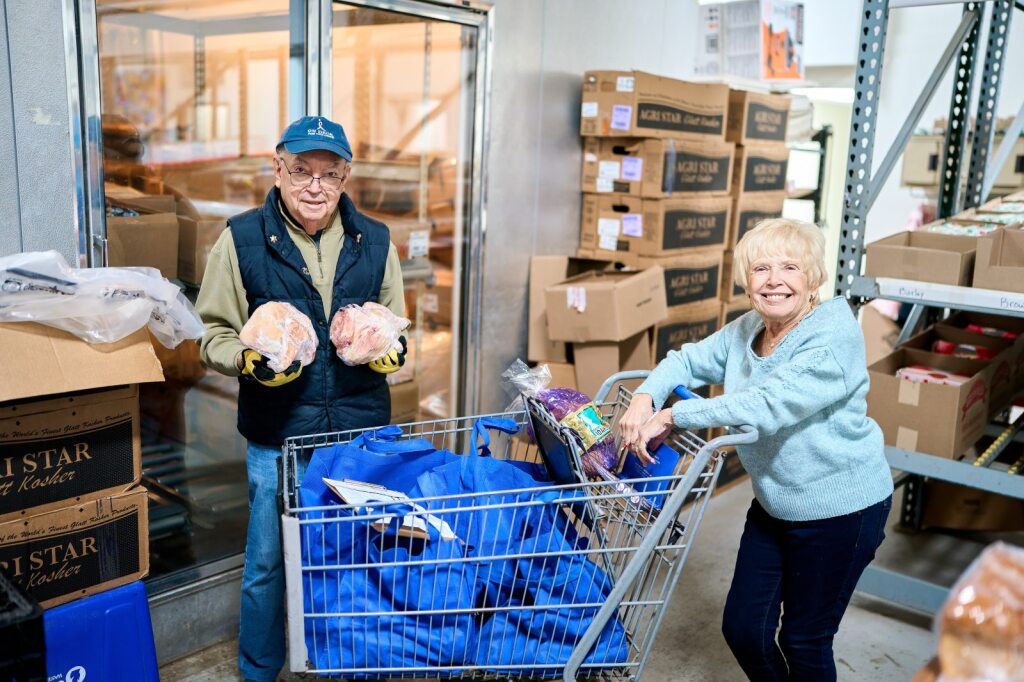
The work of our grant partners confronts this reality every day, transforming compassion into action. The Jewish Fund Board knows that our grants to, and through the work of, our dedicated grant partners, brings smiles to the seniors who receive daily food deliveries, allows children to concentrate better in school because they receive a nutritious meal at their after school program, and provides those families who visit Yad Ezra or Forgotten Harvest or Gleaners, or received food as a result of the work of Metro Food Rescue, the hope needed to move from the edge of crisis toward stability.
The fight against hunger is not someone else’s responsibility. It is the essence of who we are as a community, shaped by the Jewish Fund’s very Jewish commitment to improving the lives and health outcomes of both our fellow Jews and those within the general community. May the work of the Jewish Fund, through our collaboration with our grant partners, continue to transform compassion into action—and ensure that no one in our community, or beyond it, goes hungry.
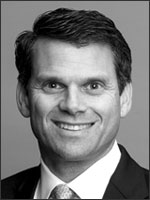

Jeffrey Schlussel, Chair


Margo Pernick, Executive Director
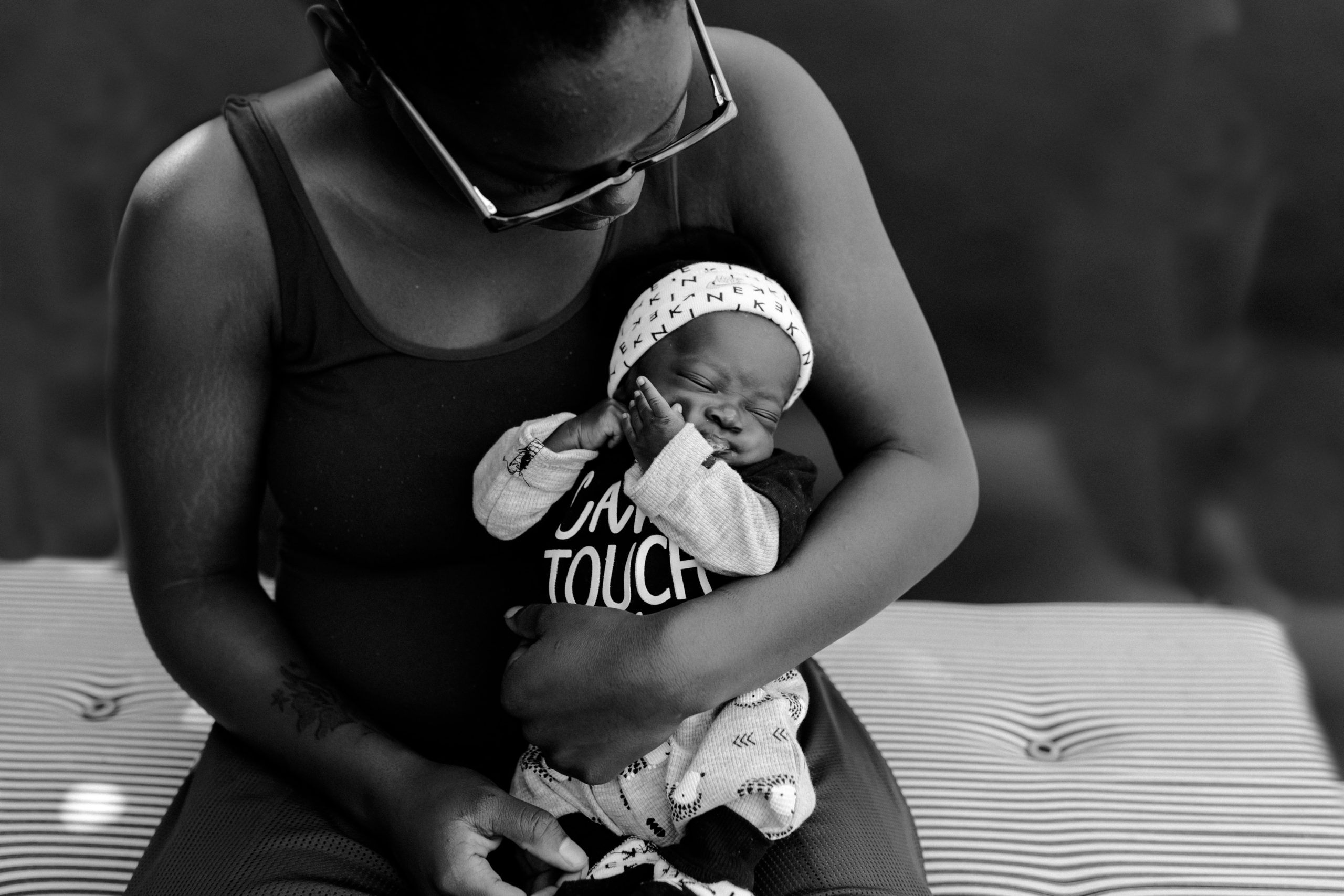
Alternatives For Girls
2025 Sosnick Award Recipient
Sosnick Award
The Robert Sosnick Award of Excellence was established in memory of Robert Sosnick, whose bold vision and leadership skills led to the creation of The Jewish Fund. In tribute to Mr. Sosnick and in keeping with the mission of The Jewish Fund, the program selected for the award should represent the ideals and standards of excellence that are both hallmarks of this award and characteristics of Robert Sosnick. Innovation, collaboration, achievement of program objectives, impact on quality of life, management of resources and sustainability are all key criteria for a program’s selection of this annual award which includes a $25,000 prize.
Alternatives for Girls (AFG) was founded in 1987 as a volunteer-driven emergency shelter for homeless teenage girls. Initially, the organization operated with just five beds, but it has since grown into a multi-service agency employing 93 staff members and operating with an annual budget of nearly $9 million. AFG’s mission is to support homeless and high-risk girls and young women in escaping violence, teen pregnancy, and exploitation. By providing essential resources, opportunities, and support, AFG aims to help these young women stay safe, become strong, and thrive.
In 2024, AFG served 2,550 individuals, including 660 who received ongoing, intensive support across all programs. The organization follows a continuum of care model, which includes several programs tailored to the diverse needs of the young women it serves. The Emergency and Transitional Living program offers homeless young women and their children counseling, workforce development, life skills education, and childcare. Prevention services focus on academic enrichment, community mentoring, college and career preparation, and family engagement. AFG also provides Outreach and Education for victims and survivors of domestic violence, dating abuse, stalking, and human trafficking. Additionally, the organization offers Housing Stability services and a Crisis Resource Center for those in need.
AFG is unique in Detroit as the only agency that can provide residential services for both youth and their young children. Recently, the organization expanded its services by opening an affordable housing complex, separate from its existing multi-purpose site.
The Jewish Fund has been a key supporter of AFG, helping to expand its healthcare and resource room, as well as funding the Mother-Infant Health Program, which helps young mothers navigate pregnancy and early childhood development. The program provides parenting education, case management, and access to external resources to foster strong attachments and help mothers become nurturing, capable parents. The Fund also contributed to the creation of a Whole System Trauma Informed Care Training Program, ensuring that AFG’s staff is equipped to address the complex trauma and mental health challenges they face daily in their work.
AFG’s staff have consistently demonstrated exceptional dedication and performance, particularly during the pandemic when the agency continued to provide a wide range of services. The organization’s recently retired founder and executive director has been an outstanding role model, a community builder, and a passionate advocate for the population served by AFG. Over the past 36 years, she transformed the organization into a respected and well-supported entity, recognized for its excellence in serving one of the most vulnerable populations.
AFG’s holistic approach integrates healthcare, education, and trauma-informed care to support vulnerable young women. Sustaining and expanding these initiatives will require ongoing fundraising and strategic partnerships. Despite these challenges, AFG remains steadfast in its commitment to empowering high-risk girls and young women to lead safe, strong, and fulfilling lives.
The Jewish Fund is thrilled and proud to honor Alternatives For Girls with the 2025 Robert Sosnick Award of Excellence.
Past Recipients
- 2024 Friendship Circle
- 2023 Brilliant Detroit
- 2022 Ferncare Free Clinic
- 2021 Jewish Hospice & Chaplaincy Network
- 2020 Ruth Ellis Center
- 2019 Tamarack Camps’ Special Needs Inclusion Program
- 2018 St. Joseph Mercy Oakland – Mercy Dental Center
- 2017 Hamtramck School-Based Health Center in partnership with Children’s Hospital of Michigan Foundation
- 2016 Starfish Family Services
- 2015 Hebrew Free Loan
- 2014 Isaac Agree Downtown Synagogue
- 2013 Fair Food Network
- 2012 Forgotten Harvest
- 2011 Kadima
- 2010 Summer in the City
- 2009 JARC
- 2008 Jewish Senior Life/JVS
- 2007 Jewish Family Service
- 2006 Jewish Community Center
- 2005 City Year Detroit
- 2004 Children’s Dental Health Foundation
- 2003 DMC/Sinai Grace Hospital
- 2002 Jewish Hospice & Chaplaincy Network
- 2001 Kids Kicking Cancer
- 2000 JVS/Jewish Senior Life
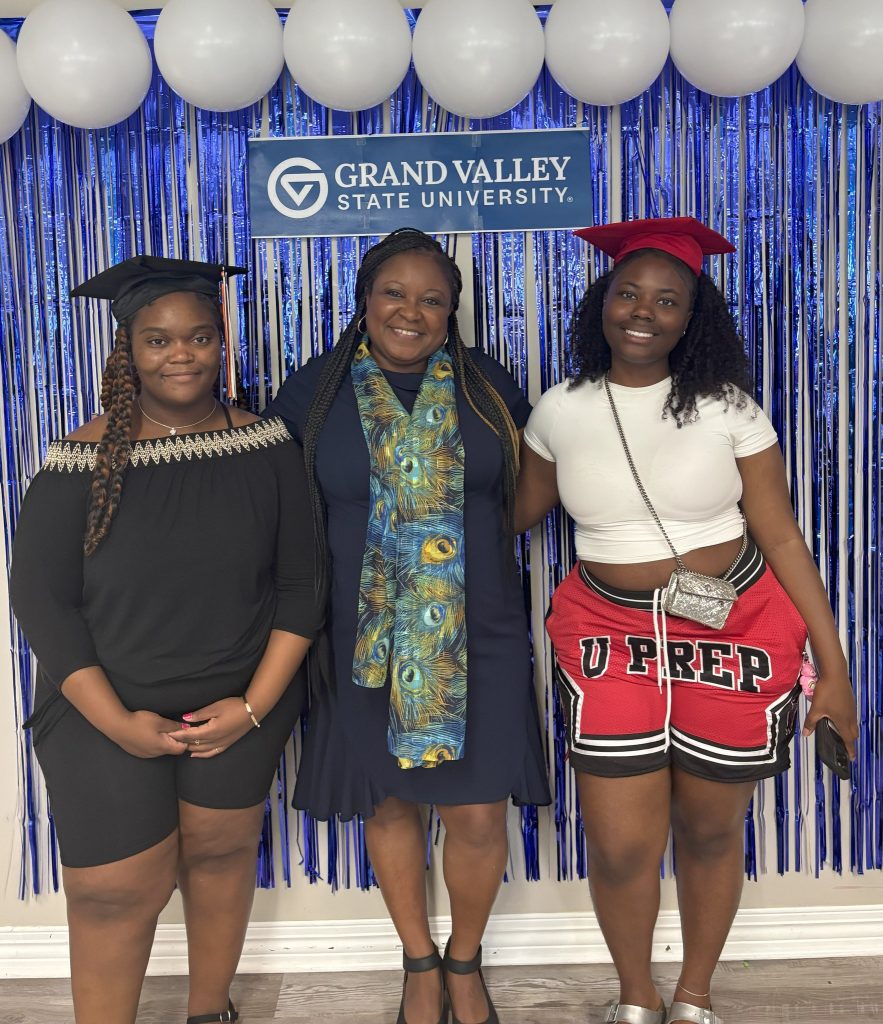
Alternatives For Girls’ mission is to support homeless and high-risk girls and young women in escaping violence, teen pregnancy, and exploitation. By providing essential resources, opportunities, and support, AFG aims to help these young women stay safe, become strong, and thrive.
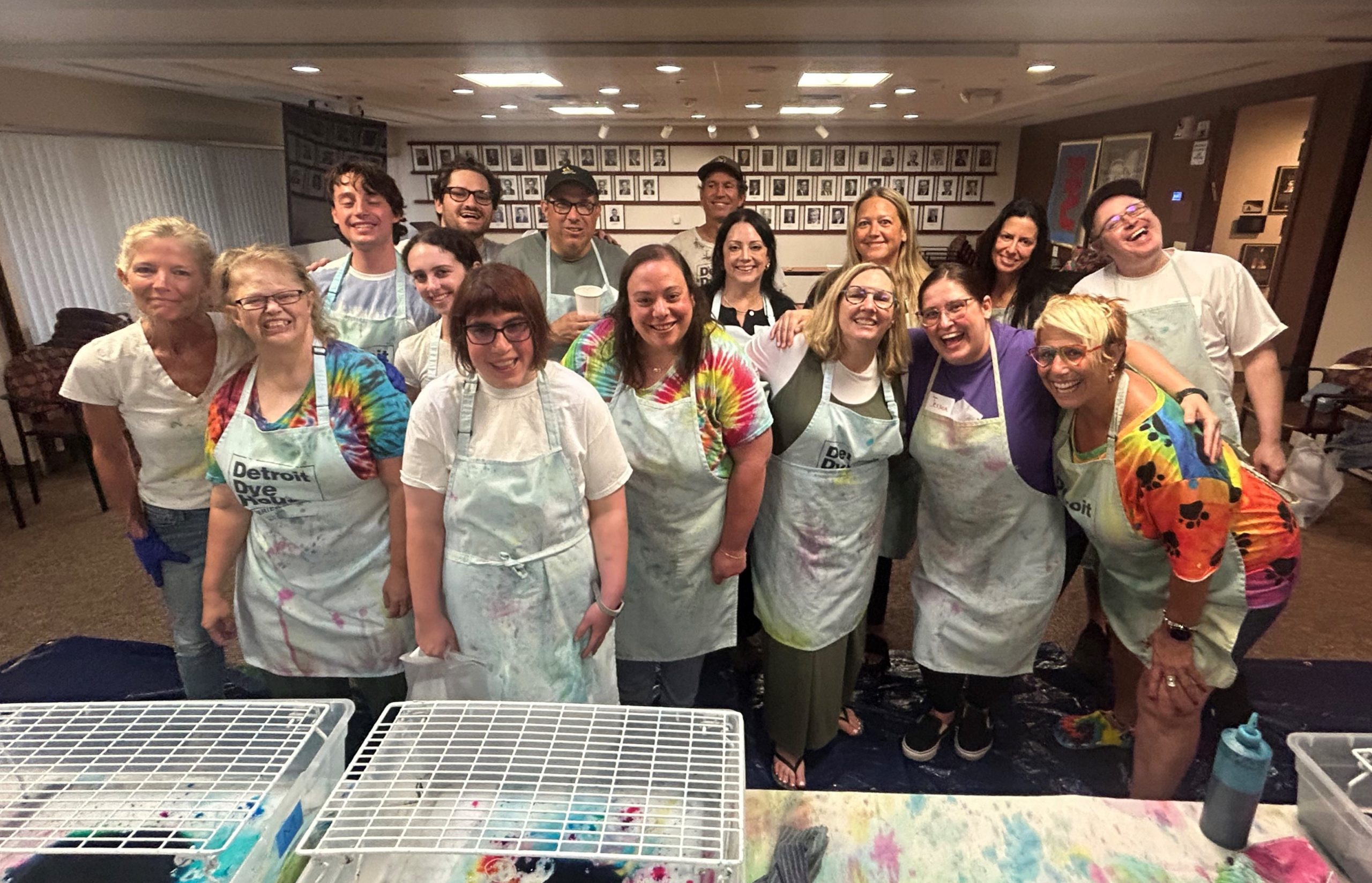
Grant Awards
The following lists show The Jewish Fund grants that were approved during the 2024-2025 fiscal year at the May and November 2024 board meetings. The lists include both new and continuation grants and are divided into sections reflecting the primary program areas of The Jewish Fund’s grantmaking priorities.
Health and Welfare of the Jewish Community
In keeping with its mission, The Jewish Fund emphasizes support of health and social welfare services which benefit vulnerable and/or underserved Jewish people in the community. Additionally The Fund supports innovative initiatives that enhance the historic bond between the Jewish community and Detroit.
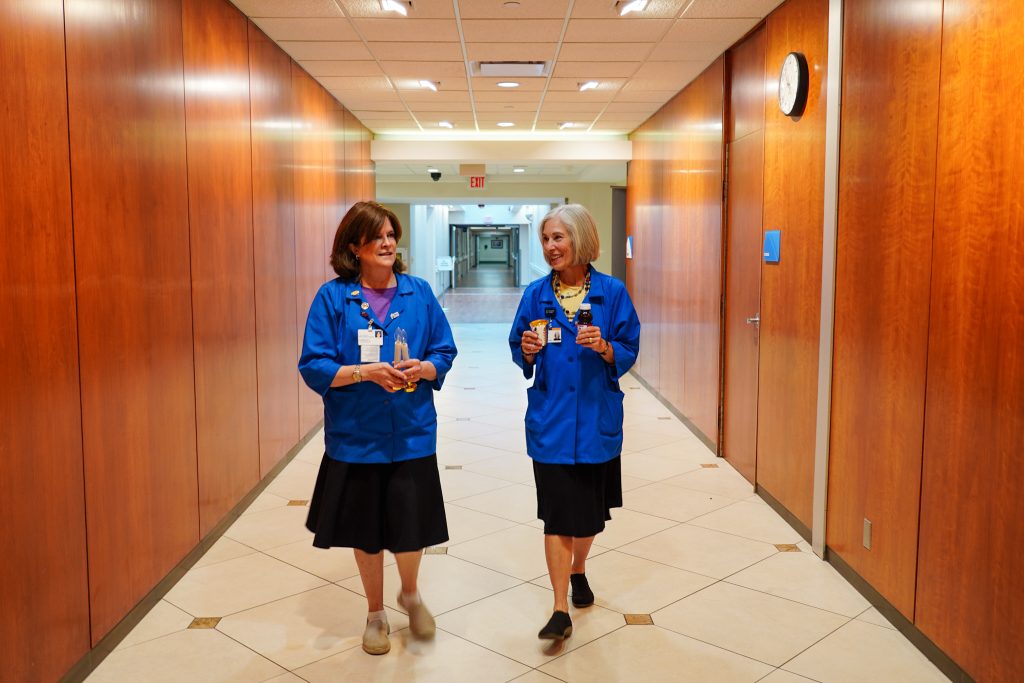
$40,000
Ahavas Chessed Bikur Cholim Inc
Second year of a three-year, $120,000 grant to hire a paid, part-time employee as well as to establish a formal office space.
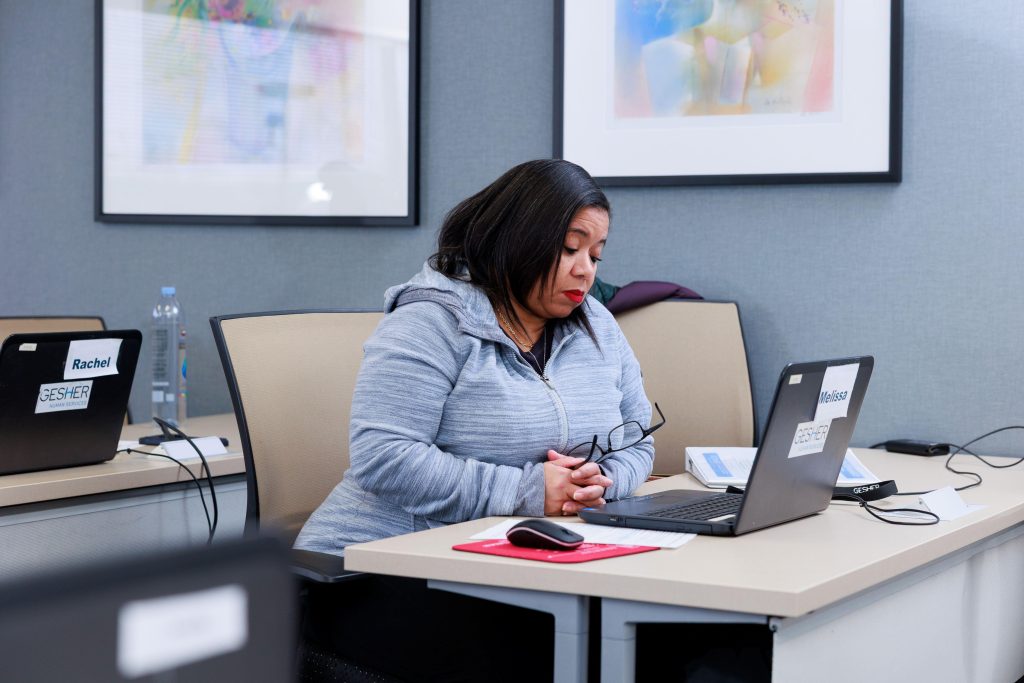
$84,287
Gesher Human Services
One-year grant to improve the efficiency and outcomes of client support services through the addition of a Behavioral Health Services Navigator, who will serve as a dedicated point of contact for participants and families.
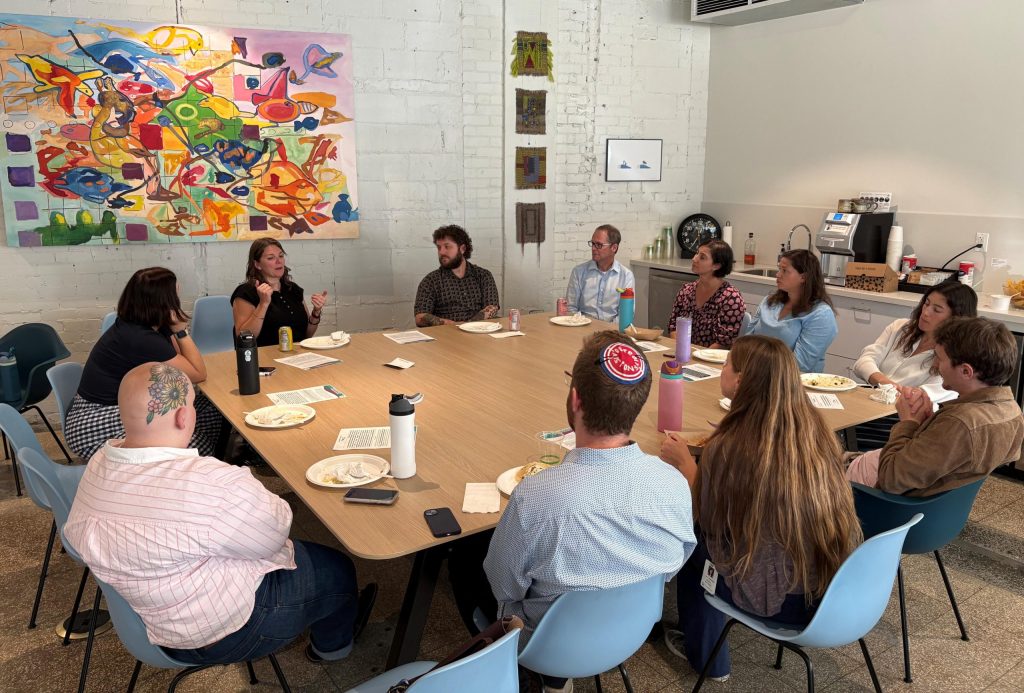
Isaac Agree Downtown Synagogue
$50,000Third year of a three-year, $550,000 grant to support a renovation of the IADS building, including the creation of a shared collaborative workspace, increasing inclusivity in the Jewish community.
$35,000Second year of a three-year, $105,000 general operating support grant for the Dor Hadash program, growing the Jewish community through education, tradition, ritual, tikkun olam (healing the world) and connection to place.
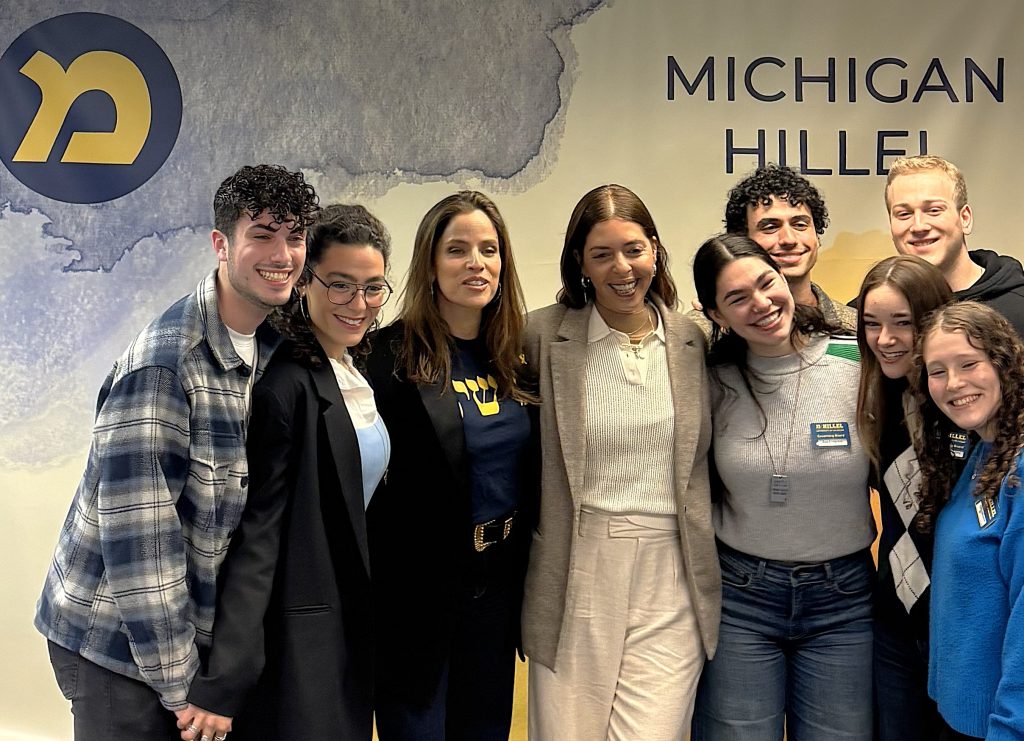
$55,000
Hillel The Foundation For Jewish Campus Life at the University of Michigan
One-year grant to enhance security measures, ensuring a safe and flourishing Jewish student community at the University of Michigan.
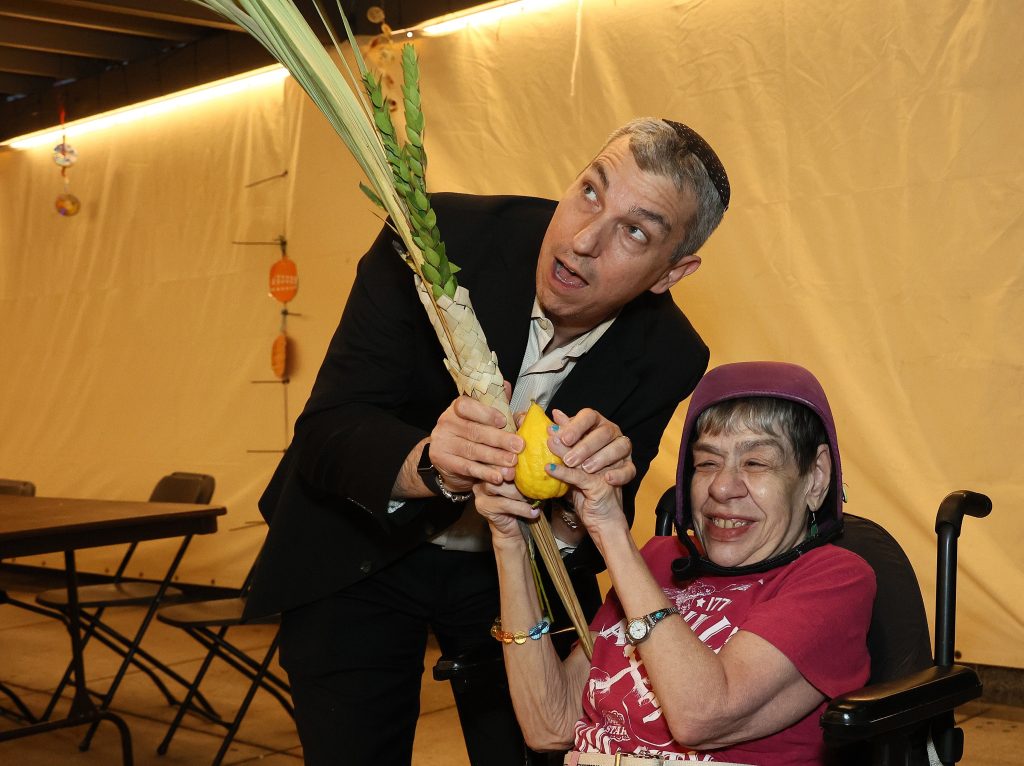
$75,000
JARC
One-year grant to conduct a complete rebrand and strategic plan for JARC.
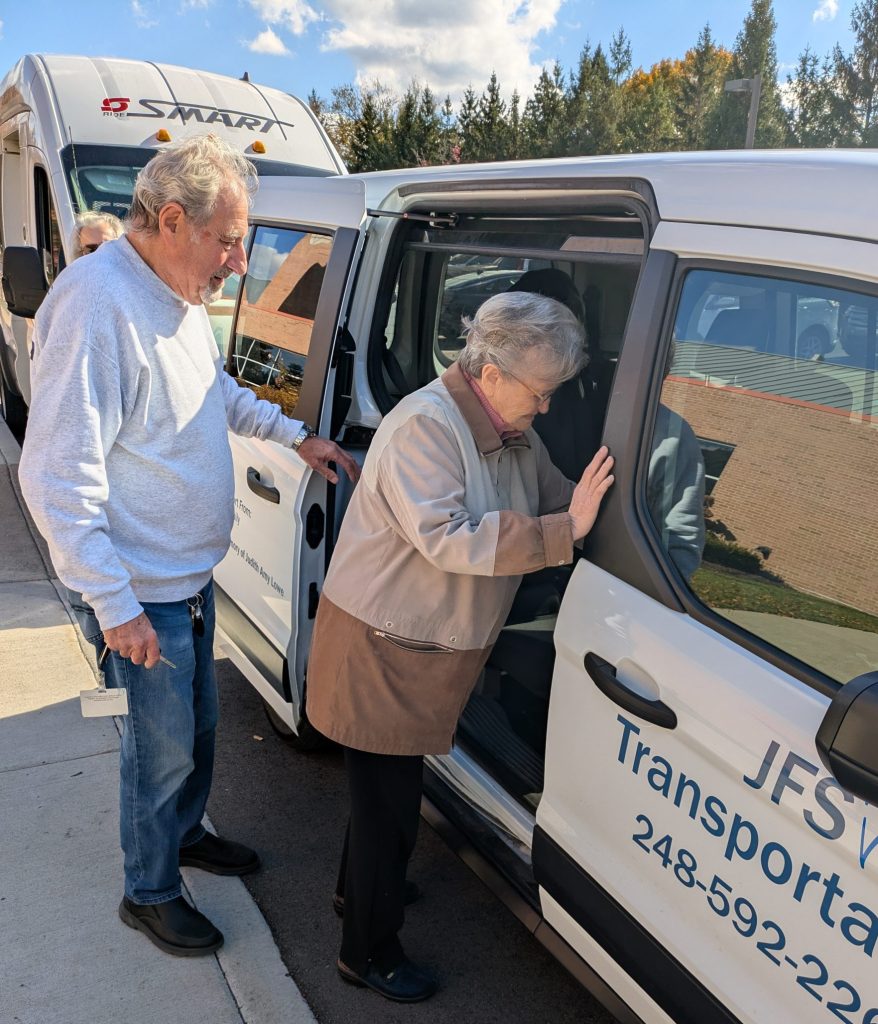
Jewish Family Service of Metropolitan Detroit
$240,000Third year of a three-year, $780,000 grant to provide access to in-home support and escorted transportation for older adults.
$138,670Third year of a three-year grant of $425,040 to alleviate and address effects of social isolation and traumatic impact of COVID-19 on older adults.
$33,288Second year of a two-year, $99,863 grant to provide life-saving Personal Emergency Response System devices for older adults who reside independently.
$90,249Third year of a three-year, $283,756 grant to expand services committed to family caregivers and build a network of resources to address their needs.
$71,436Third year of a three-year, $361,248 grant to provide intensive case management services to meet the needs of the community’s most vulnerable families.
$64,972First year of a three-year, $201,748 grant to develop a Retirement Institute to help people prepare for the most fulfilling life possible after retirement, building community resilience and continuities for older adults.
$20,000One-year grant to coach teachers on providing evidence-based interventions for high-risk students with complex diagnoses.
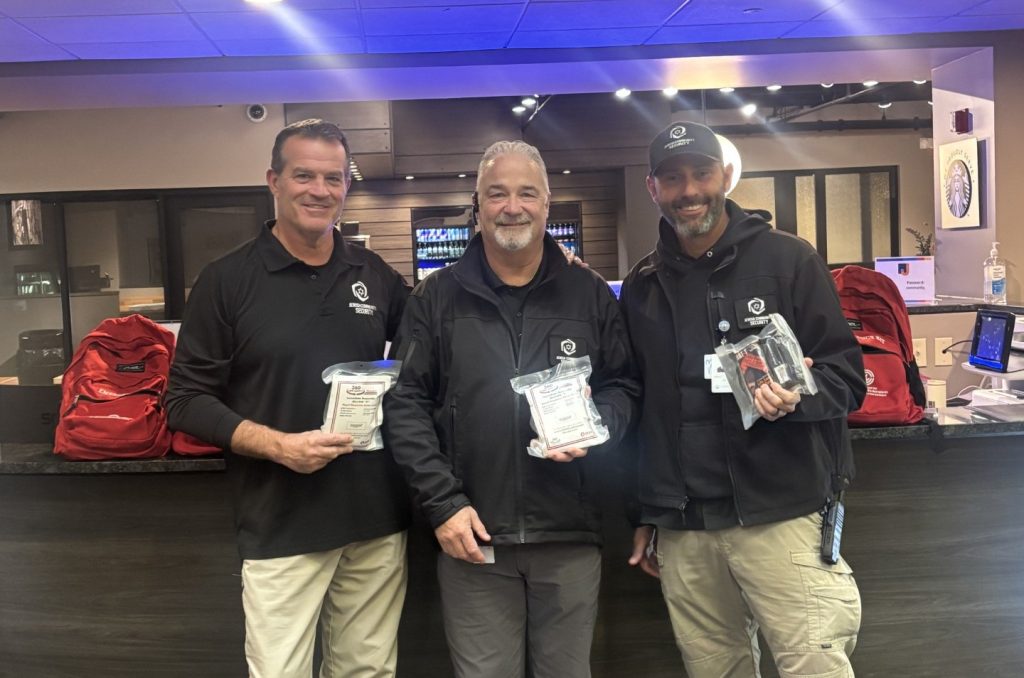
$125,000
Jewish Federation of Detroit
First year of a two-year, $250,000 grant to strategically frontload Centennial Fund gifts, enabling immediate payouts to support vital social needs and inspiring more donors to make impactful Centennial Fund gifts.
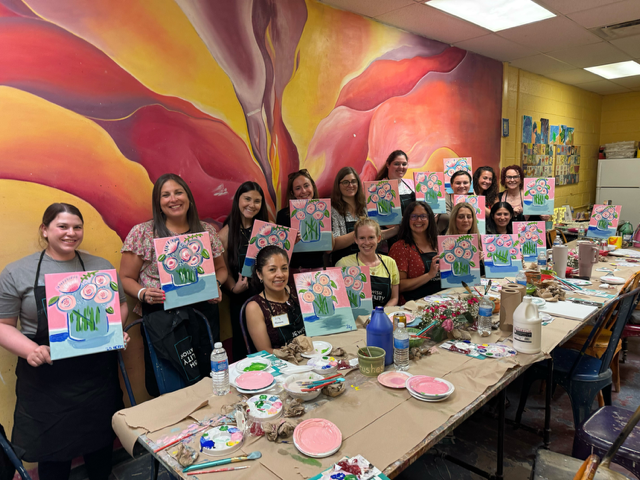
$30,000
Jewish Fertility Foundation
Second year of a two-year, $75,000 grant to help raise the initial capital required to open a Jewish Fertility Foundation location in Detroit.
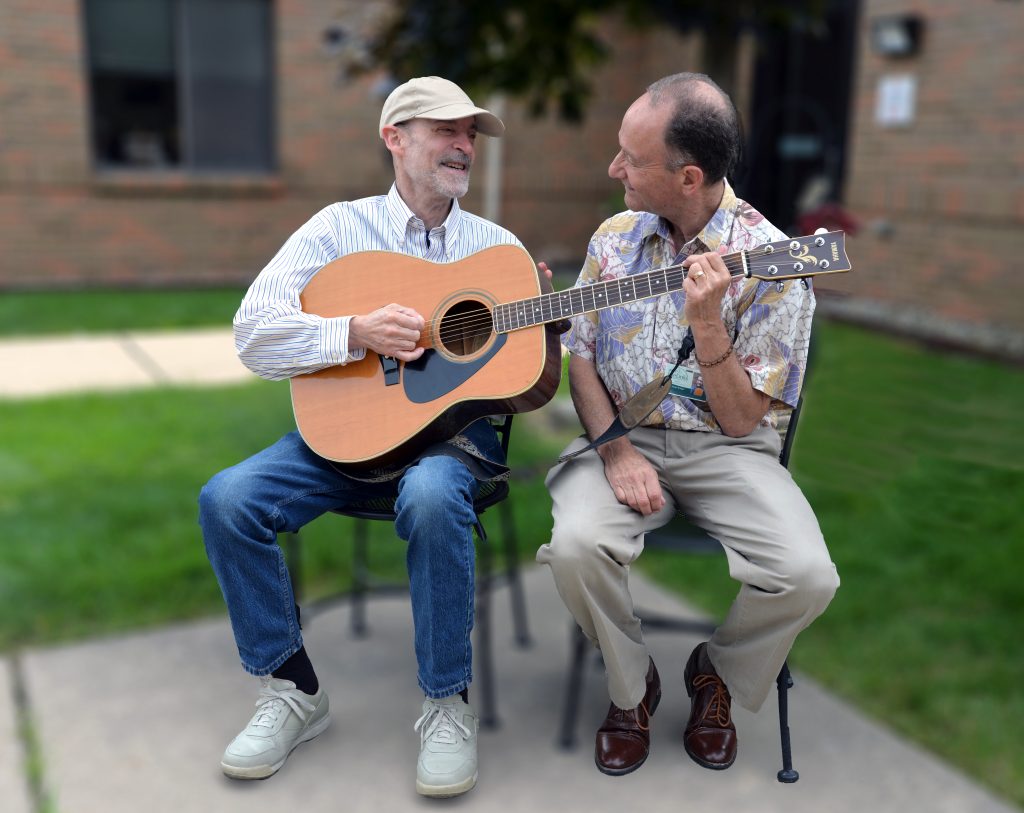
$150,000
Jewish Hospice & Chaplaincy Network
Third year of a three-year, $450,000 grant to create a new training institute to educate future rabbis joining JHCN’s staff.
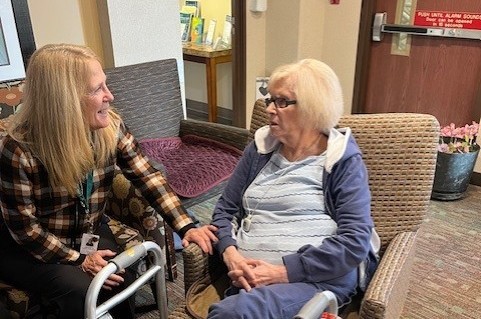
$18,459
Jewish Senior Life
Second year of a two-year, $44,335 grant to support the Resident Service Coordinator position at JSL’s Coville Assisted Living, providing direct social work support, resources and referrals to residents and their families.

$12,500
Moishe House
First year of a two-year, $25,000 grant to support programming & impact on young Jewish adults through Moishe Pod Detroit, a unique, accessible way for young adults to plug into Jewish community.
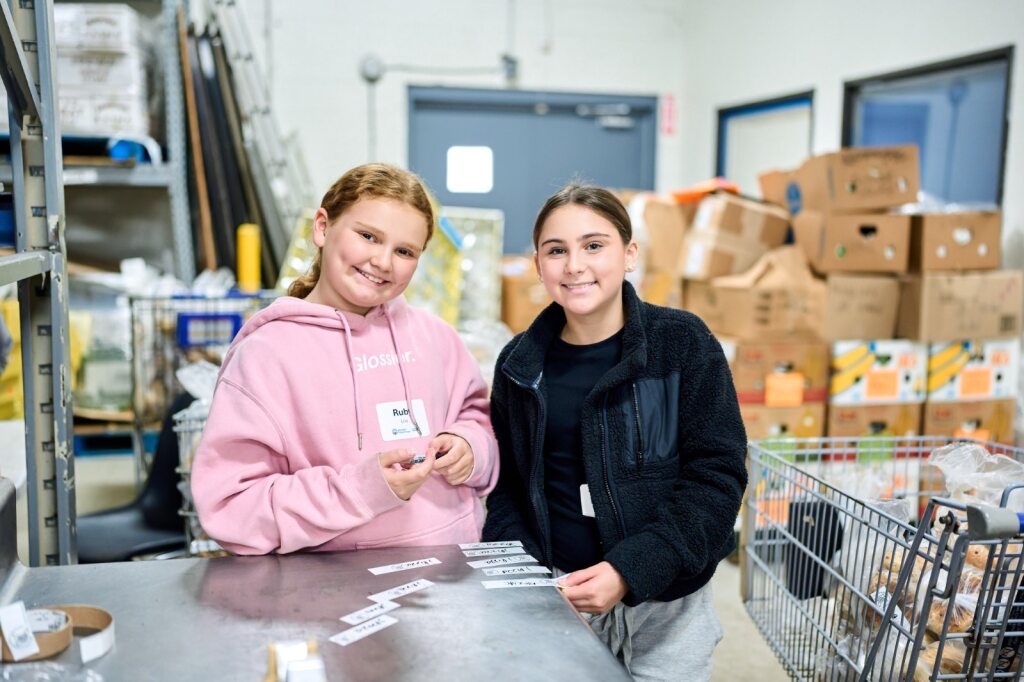
$100,000
Yad Ezra
First year of a three-year, $300,000 General Operating Support grant to provide healthy food to the increasing numbers of food insecure in the Metro Detroit Jewish community.
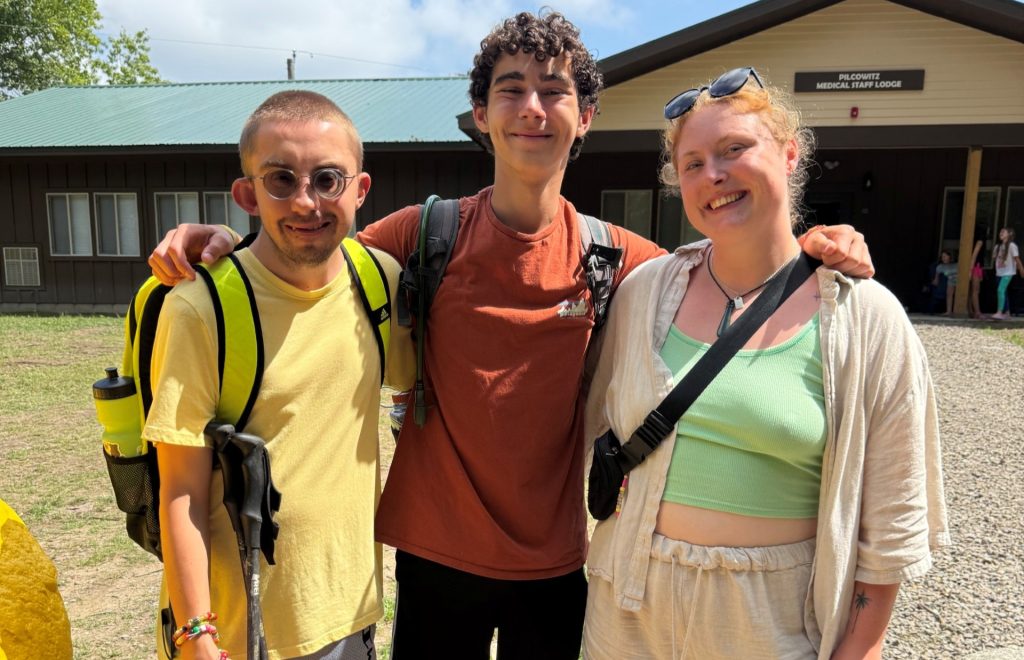
Tamarack Camps
$100,000Second year of a three-year, $300,000 general operating support grant, supporting medical care and mental health care services to campers and staff.
$75,000Second year of a two-year, $150,000 grant to address growing mental health challenges of campers and staff members.
Health of the Metropolitan Detroit Community
In order to best respond to the health needs of vulnerable and/or underserved residents of Detroit and the surrounding area, The Jewish Fund supports efforts to increase access to quality health care services and to improve health outcomes through early childhood health interventions.
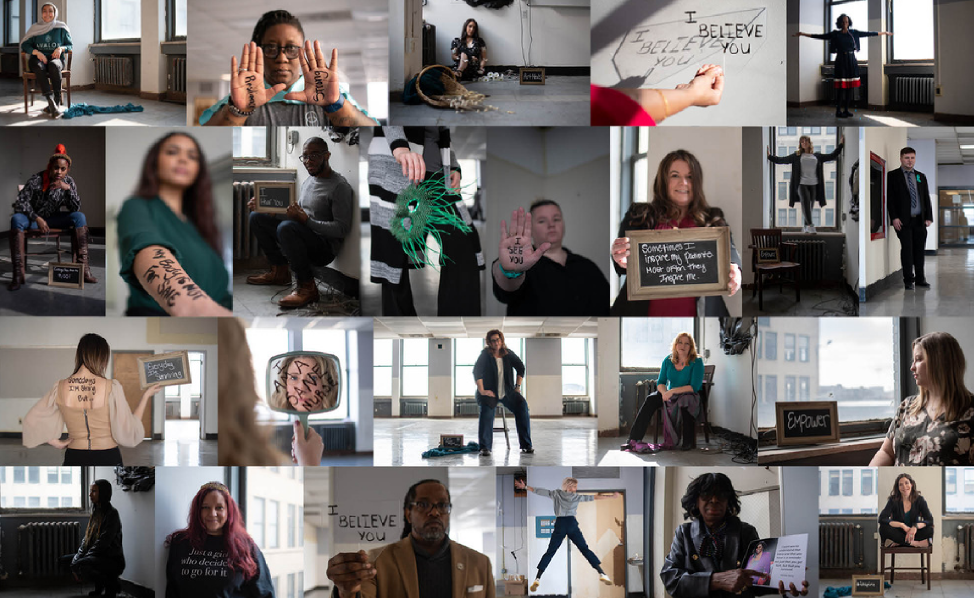
$75,000
Avalon Healing/Wayne County Safe Program
One-year grant to sustain on-site mental health services to meet specialized needs and reduce barriers to access for sexual assault and trafficking victims, both adults and minors.
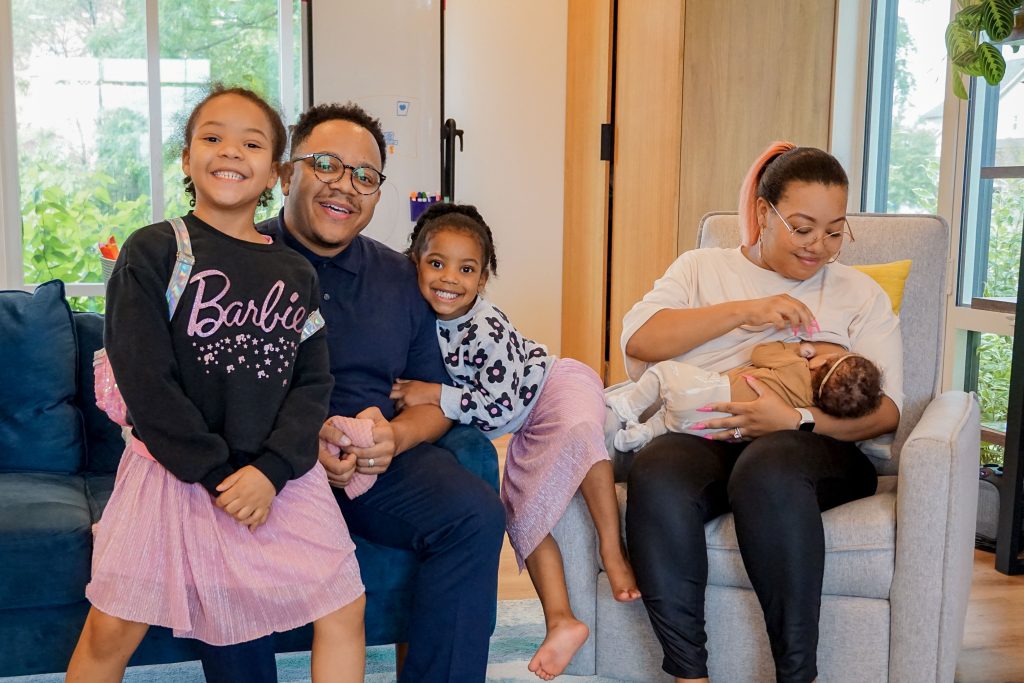
$50,000
Birth Detroit Inc
One-year grant to provide high-quality, client-centered prenatal, birth, and postpartum midwifery care to pregnant Detroiters and their families.

$25,000
Breakthrough T1D (formerly JDRF)
One-year grant to fund a publicly accessible T1D screening site at Wayne Pediatrics in Detroit.
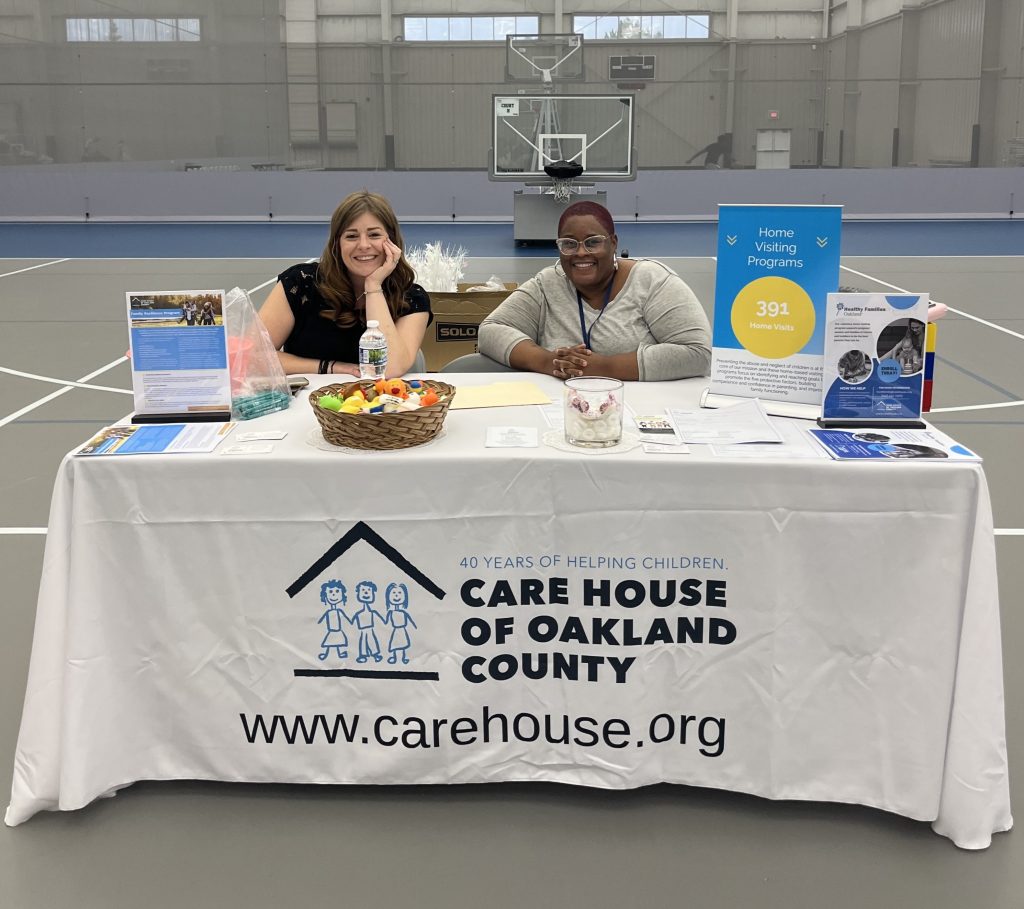
$50,000
CARE House of Oakland County
One-year grant to provide free home-based services to families seeking to improve family functioning and prevent child abuse and neglect in Oakland County.
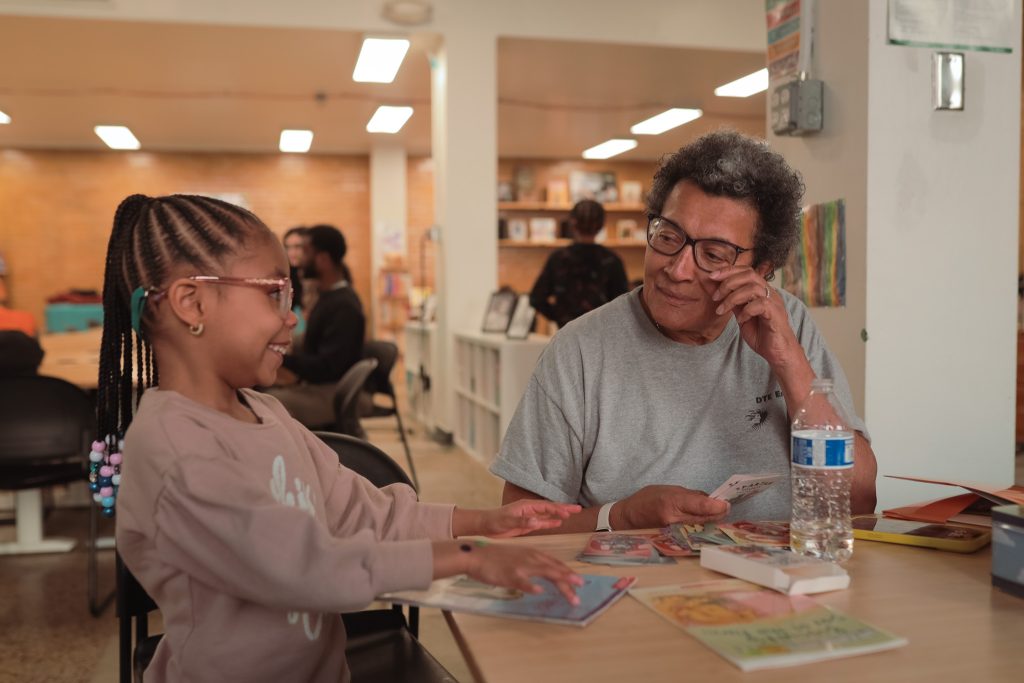
$35,000
Center for Success Network
One-year grant to implement Equity Learning Conversations where caregivers engage in discussions designed to advance the power of information.
$18,405
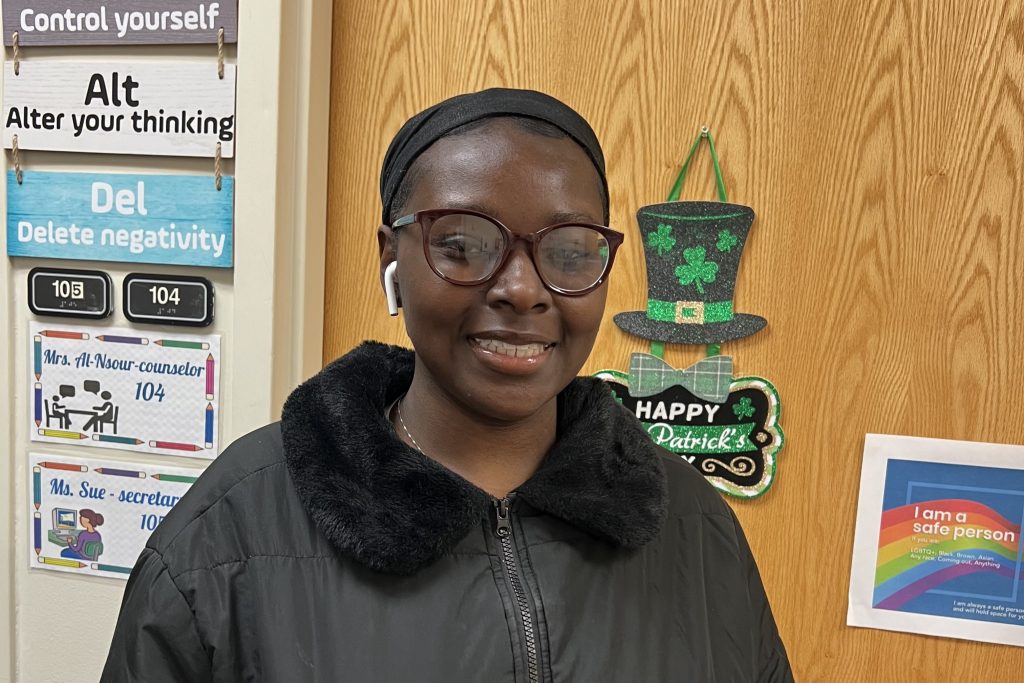
Children’s Foundation
Third year of a three-year, $59,205 grant to provide eyeglasses to visually impaired students in need within the Hamtramck Public Schools.

$10,000
Crossroads of Michigan
Second year of a three-year, $30,000 general operating support grant to support the Crossroads mission of creating stability for those living in a cycle of generational poverty.
$15,000
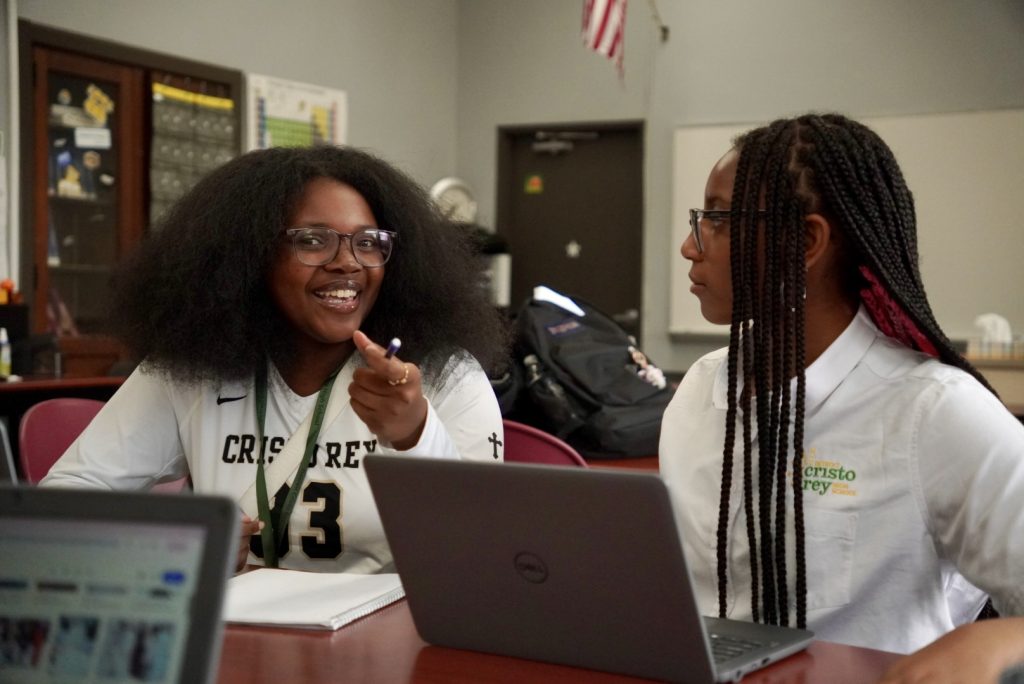
Detroit Cristo Rey High School
Second year of a three-year, $45,000 grant to provide Detroit Cristo Rey students with limited resources a free eye exam and glasses.
$20,000
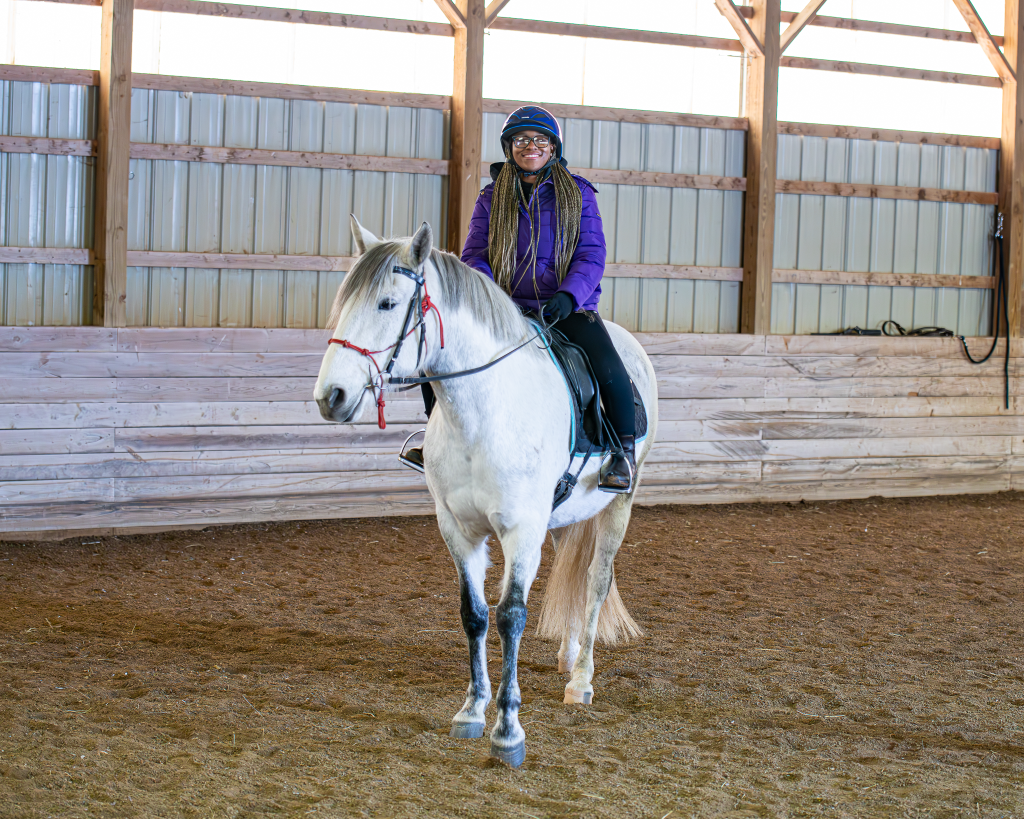
Detroit Horse Power
One-year grant to invest in the well-being of Detroit’s youth through a validated equine assisted social-emotional learning after-school program.
$50,000
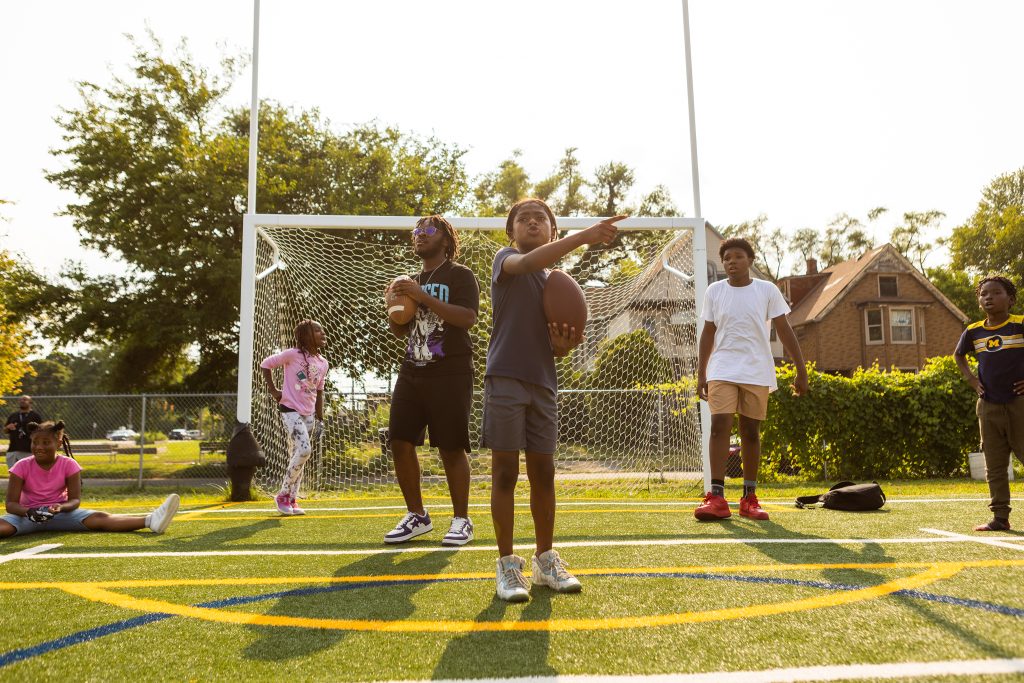
Downtown Boxing Gym Youth Program
One-year grant to bolster operations of Downtown Boxing Gym as the organization moves to double student capacity in Metro-Detroit and extend the reach of its impactful methods.
$25,000
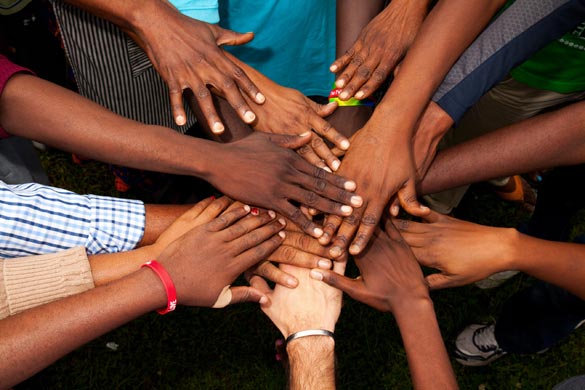
Freedom House Detroit
Third year of a three-year, $75,000 general operating support grant providing essential services for refugees and asylum seekers.

$45,000
Henry Ford Health System – Center for Vision Rehabilitation & Research
Second year of a three-year, $135,000 grant to provide occupational therapy supports to low-income patients that enable them to live fully and safely with vision loss.

$30,000
Life Remodeled-A Nonprofit Corporation
One-year grant to address disparities, promote wellness for vulnerable populations and narrow the gap of negative social determinants of health by preparing clinic space at Anchor Detroit.
$16,875
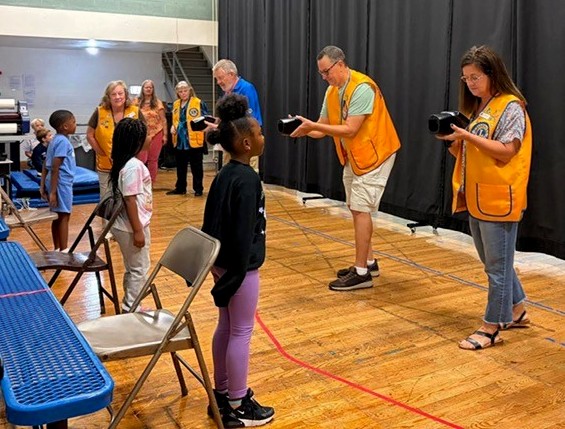
Lions Of Michigan Service Foundation Inc
One-year grant to provide eye care services to disadvantaged and underinsured families in Metropolitan Detroit.

$20,000
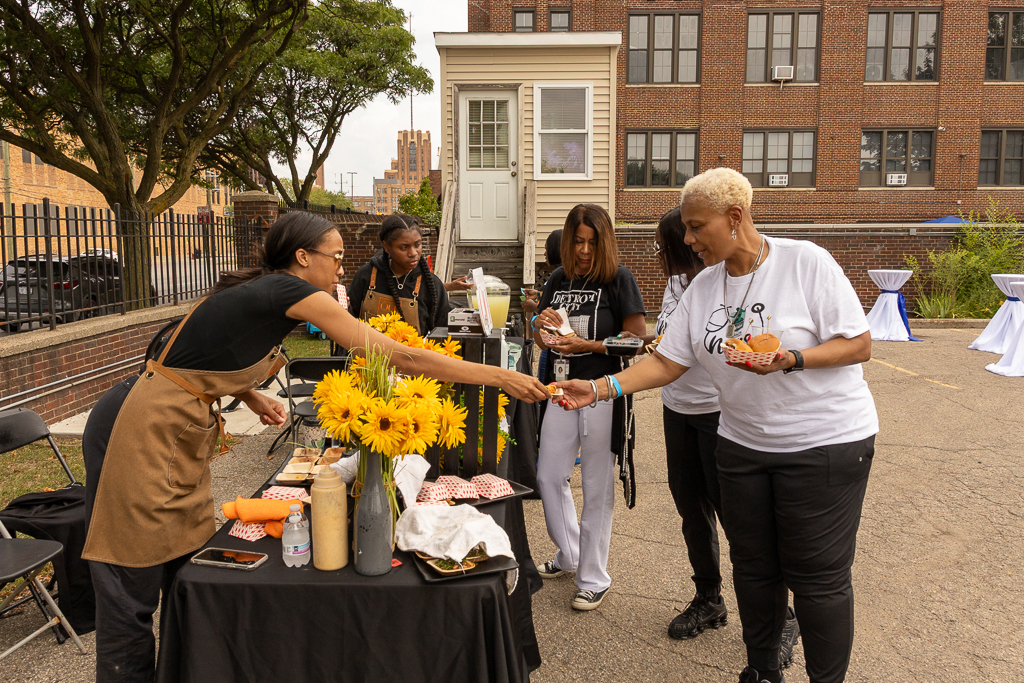
Metro Food Rescue
One-year grant to expand Metro Food Rescue’s Volunteer Relations/Outreach program.
$40,000
Metro Solutions
One-year grant to de-stigmatize mental health care in the black community in Detroit and develop a system through which the mental health referral loop is successfully closed.
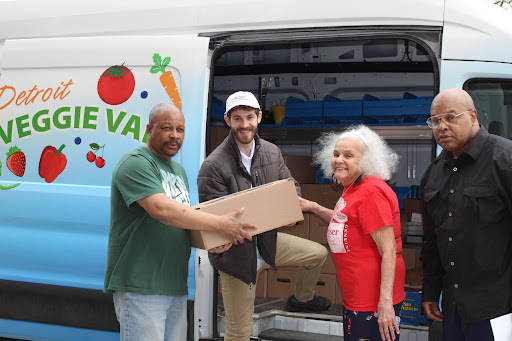
$15,000
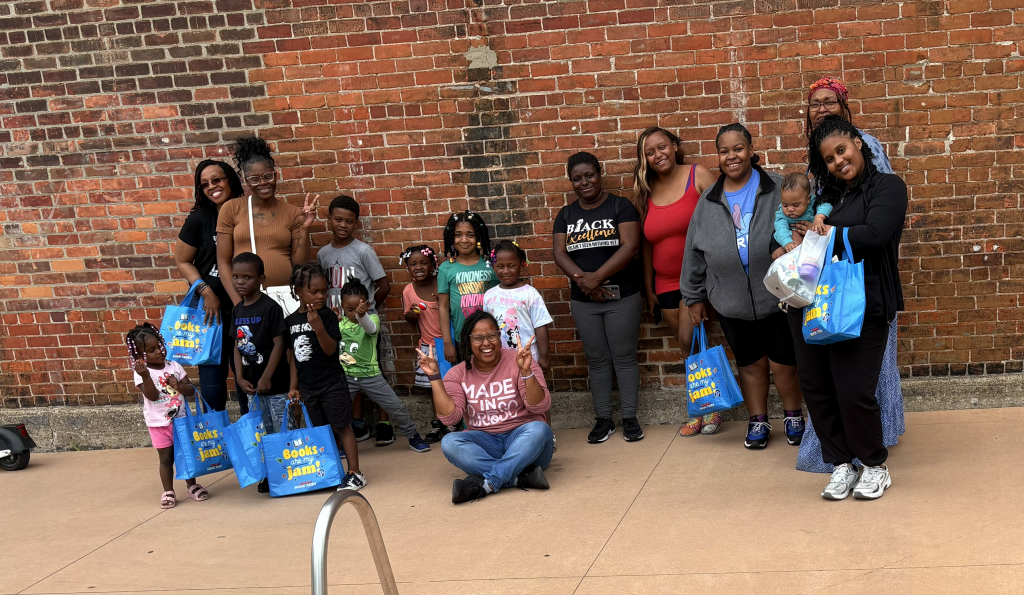
Mommies in the D
One-year grant to support young mothers in need of wraparound services throughout the journey of pregnancy and parenthood.
$20,000
Project Healthy Community
One-year grant to support contractual services related to Medicaid/Medicare reimbursement for its health programs.
$30,000
Wayne State University Center for Urban Studies
One-year grant to stop overdose deaths and reduce harms related to opioids and strengthen civic engagement to address health concerns in the Detroit metropolitan area.
Discretionary Fund Grants
- Jewish Federation of Los Angeles
- $7,500
- for wildfire relief.
- United Way of North Carolina
- $5,000
- for flood relief.
- Professional Development
- $52,638
- for transformative professional development experiences for our grant partners.
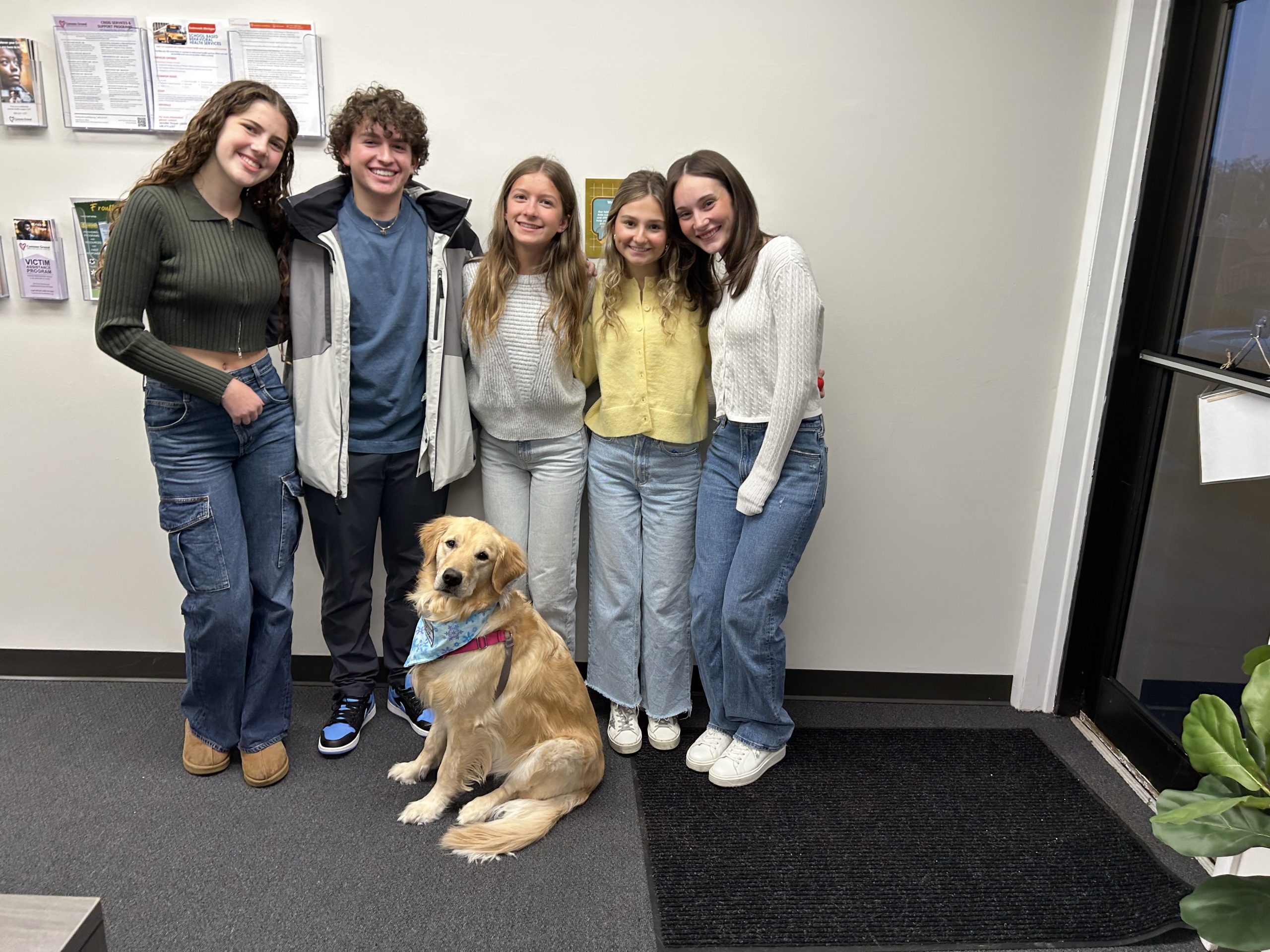
The Jewish Fund Teen Board
The Jewish Fund Teen Board is a collaborative philanthropy group providing Jewish teens from the Metro Detroit area the opportunity to learn about grantmaking and philanthropy.
Teen Board 2024-2025
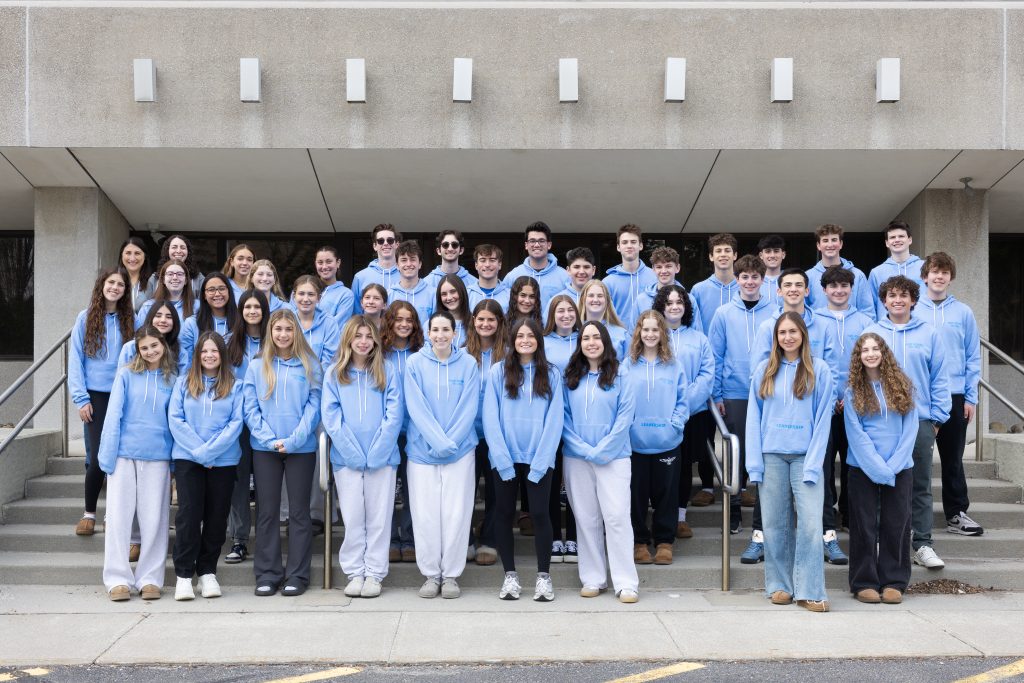
The Jewish Fund Teen Board is a collaborative philanthropy group providing Jewish teens from the Metro Detroit area the opportunity to learn about grantmaking and the non-profit community.
In 2024-2025, our 12th year of programming, two cohorts of teens participated in the grantmaking process. Year 1 consisted of 28 teens experiencing grantmaking for the first time and 17 Year 2 board members that chose to continue their Teen Board experience by deepening their knowledge and skills through a second year of participation. We also had 8 members of the Leadership Committee who guided our Teen Board through the entire grant making process. Teen Board members representing high schools and congregations, granted a total of $100,000.
Mission Statements
Year 1 Cohort
The Jewish Fund Year 1 Teen Board of Metro Detroit committed to improving mental health in the metro-Detroit area. We aim to support organizations that address the mental health challenges caused by economic inequity and hate, including antisemitism and racism, for both the Jewish and broader community.
Year 2 Cohort
The Jewish Fund Year 2 Teen Board of Metro Detroit committed to funding programs that increase accessibility to essential goods including food, water, housing, education, and healthcare. Our goal is to reduce fi nancial hardships on attaining these necessities for the benefi t of the Jewish and greater metro Detroit community.
The Teen Board Experience: Voices of Our Members
These reflections were composed in a collaborative fashion in order to represent each board as a whole.
How have you grown through your participation in the Teen Board?
“I’ve learned how to use my voice with confidence and make an impact in a room full of leaders.”
“The Board has taught me the importance of listening before making decisions.”
“I’ve grown by understanding how philanthropy isn’t just about money, It’s about values and empathy too.”
“Being on the Board pushed me outside my comfort zone and gave me leadership skills I can take anywhere.”
“I’ve gained a much deeper understanding of the community I live in.”
Which parts of the program / experience have been the most valuable to you?
“My internships opened my eyes to a career I never would have considered before.”
“Visiting nonprofits and hearing from leaders made philanthropy feel real.”
“Working as a team to decide where grant money goes taught me collaboration in a whole new way.”
“I’ve grown by understanding how philanthropy isn’t just about money, It’s about values and empathy too.”
“Working as a team to decide where grant money goes taught me collaboration in a whole new way.”
“I’ve learned how to use my voice with confidence and make an impact in a room full of leaders.”
Year 1 Grantmaking
Addressing mental health concerns.
Recognizing the significant rise in mental health disorders during a period also marked by increased financial insecurity and cultural instability, Year 1 decided to direct their support organizations that address the mental health challenges caused by economic inequity and hate, including antisemitism and racism, for both the Jewish and broader community .The Year 1 Teen Board made seven grants to organizations working to address this issue:
$5,000
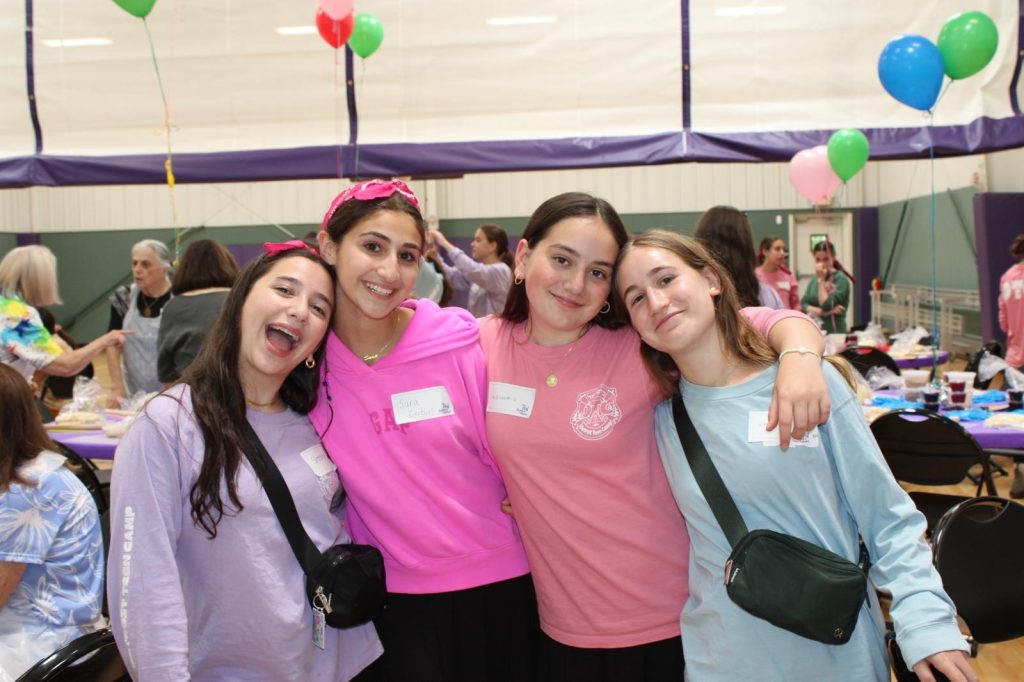
Bais Chabad of Kalkaska Inc.
to equip Jewish teen girls and counselors with tools to support their mental health and lift up those around them.
$10,000
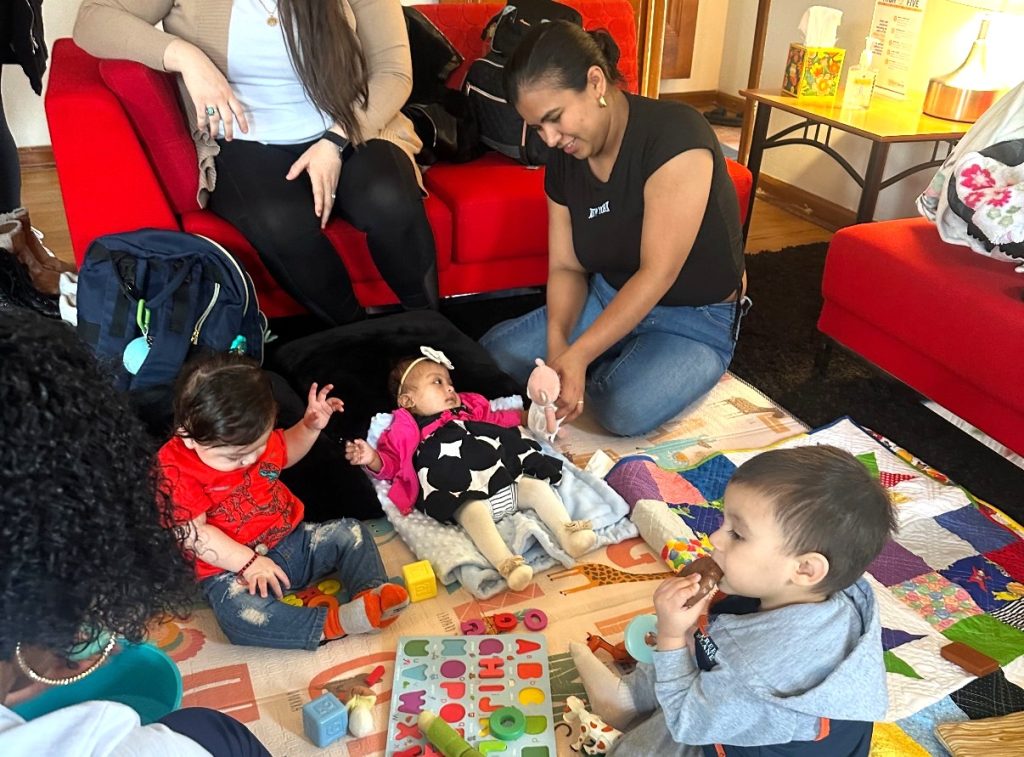
CARE House of Oakland County
to provide forensic interviewing and licensed therapeutic services at no cost to children experiencing abuse and neglect in Oakland County.
$5,000
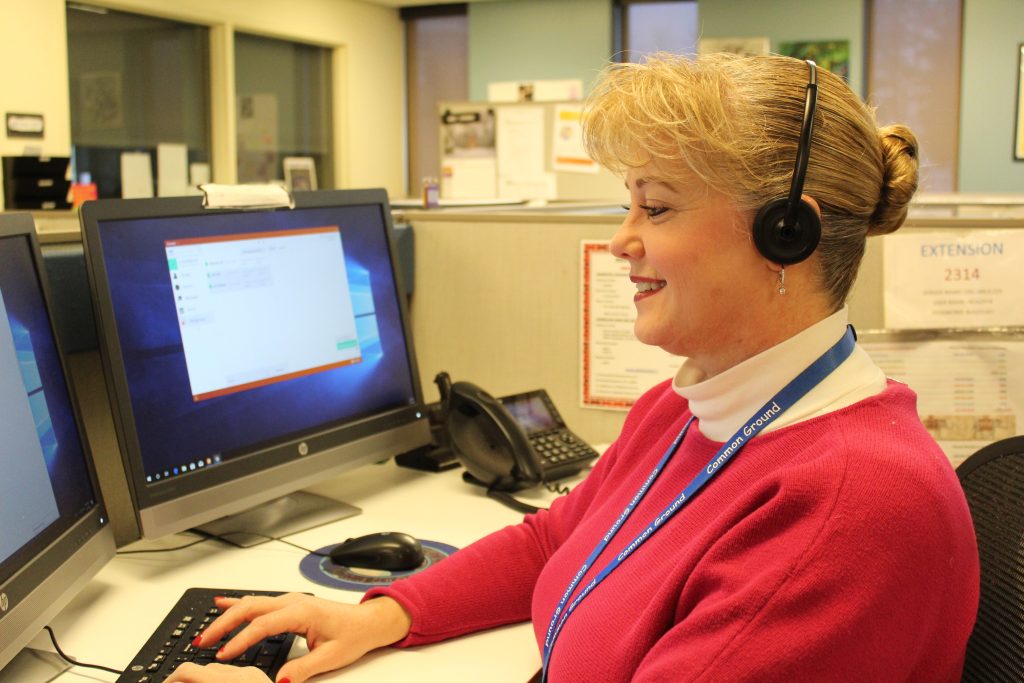
Common Ground
to provide healing and support to local communities affected by recent mass violence events.

$10,000
Jewish Family Service
to expand access to trauma-informed care by providing EMDR training to local clinicians.
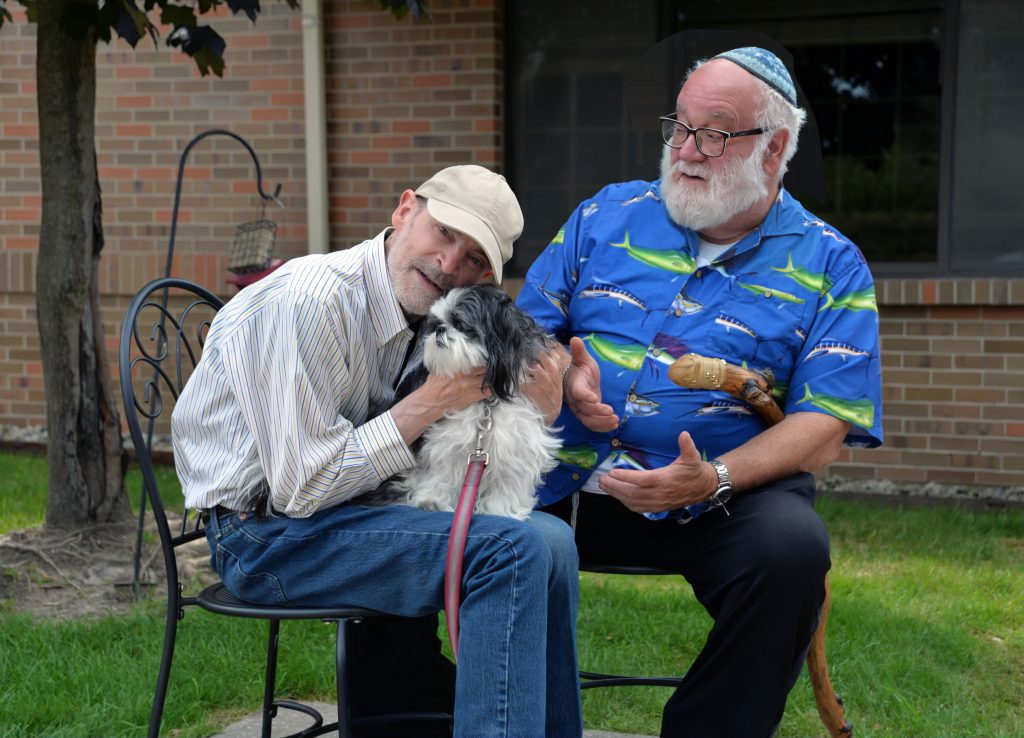
$15,000
Jewish Hospice & Chaplaincy Network
to provide services that address the mental health impact of grief/bereavement on caregivers and family members of older adults during a period of rising anti-Semitism.
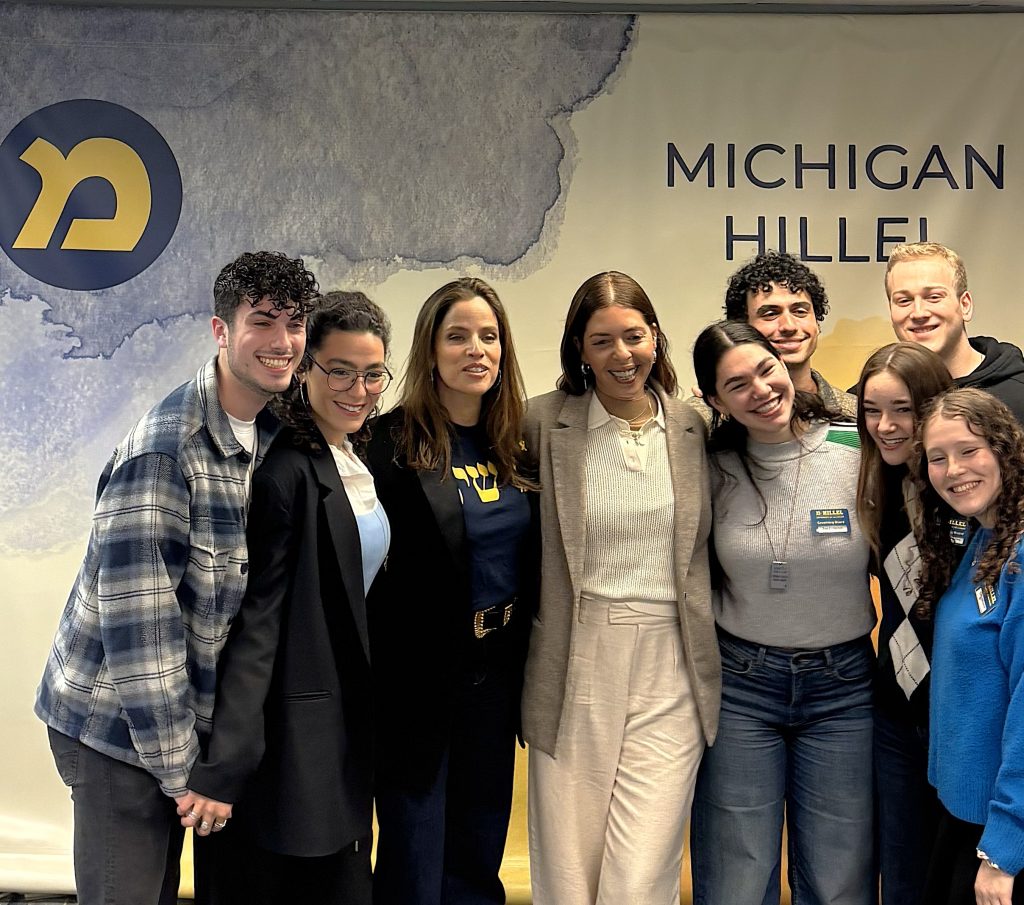
$2,500
Michigan Hillel
to create a functional and innovative wellness space for Jewish students at the University of Michigan.
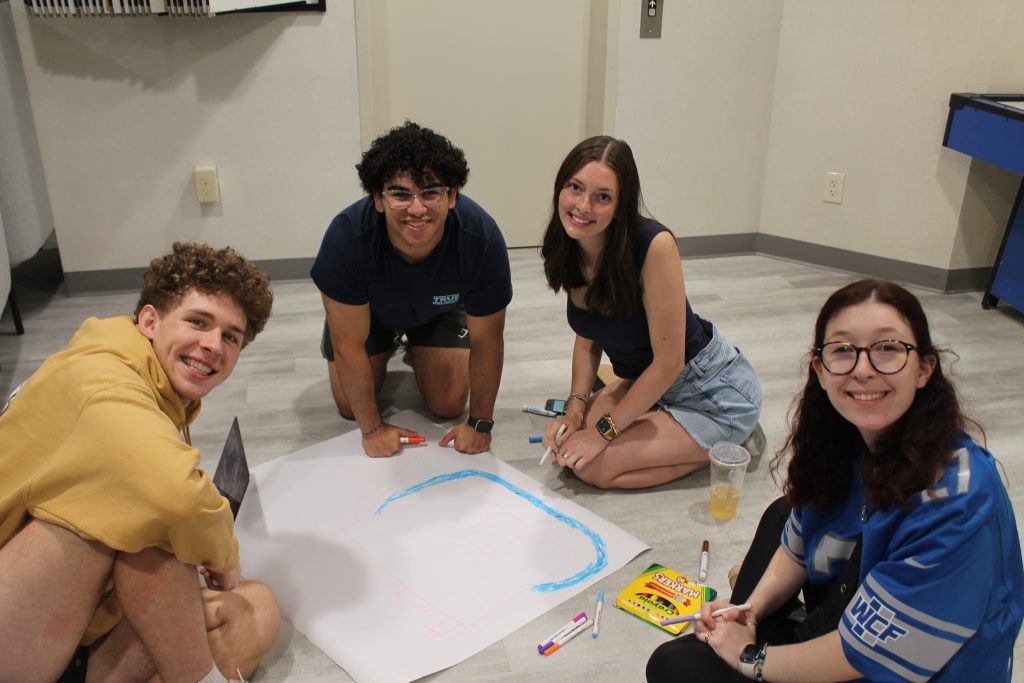
$2,500
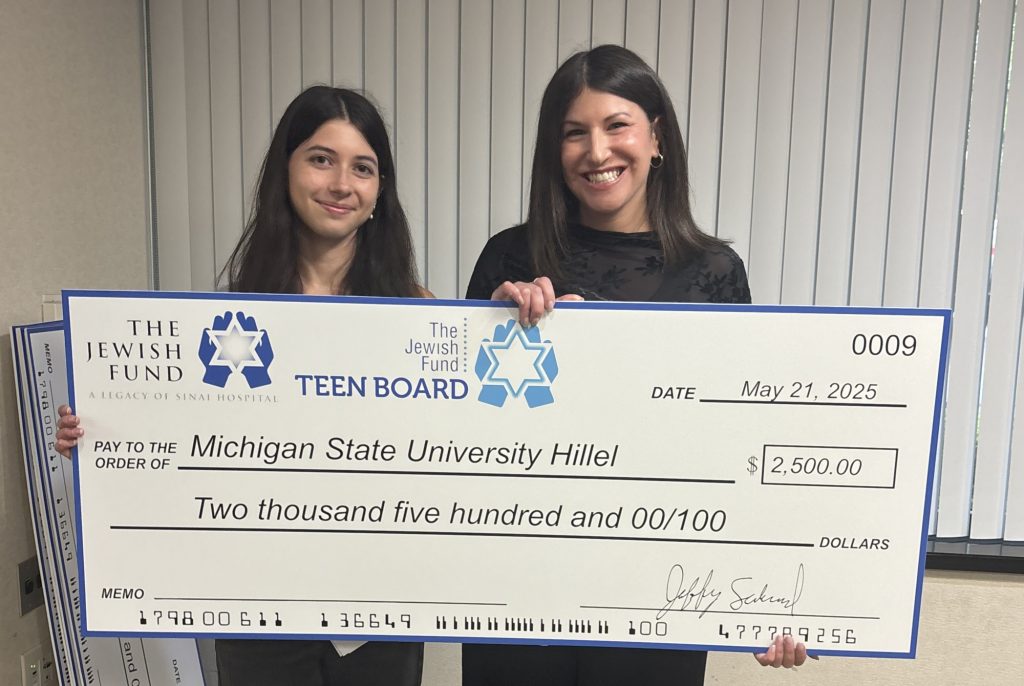
MSU Hillel
to provide funding for wellness programming led by our newly hired social worker, aimed at engaging college-aged students in activities that reduce stress, foster supportive communities, and teach valuable coping skills for mental and emotional well-being.
Year 2 Grantmaking
Improving accessibility to essential goods.
Members of the Year 2 board wanted their grantmaking to increase accessibility to essential goods including food, water, housing, education, and healthcare, with the goal of reducing financial hardships in the Jewish and greater metro Detroit communities. The Year 2 Teen Board made four grants to organizations working to address this issue:

$15,000
Jewish Federation of Detroit
to re-supply expiring lifesaving Stop-The-Bleed supplies in classroom emergency backpacks.

$10,000
National Council of Jewish Women, Michigan
to provide kosher dinners to homebound older adults in Oakland County.

$15,000
World Medical Relief Incorporated
to provide affordable medications to low-income, uninsured, and underinsured individuals in the Detroit Wayne County area, ensuring access to life-saving treatments and medications.
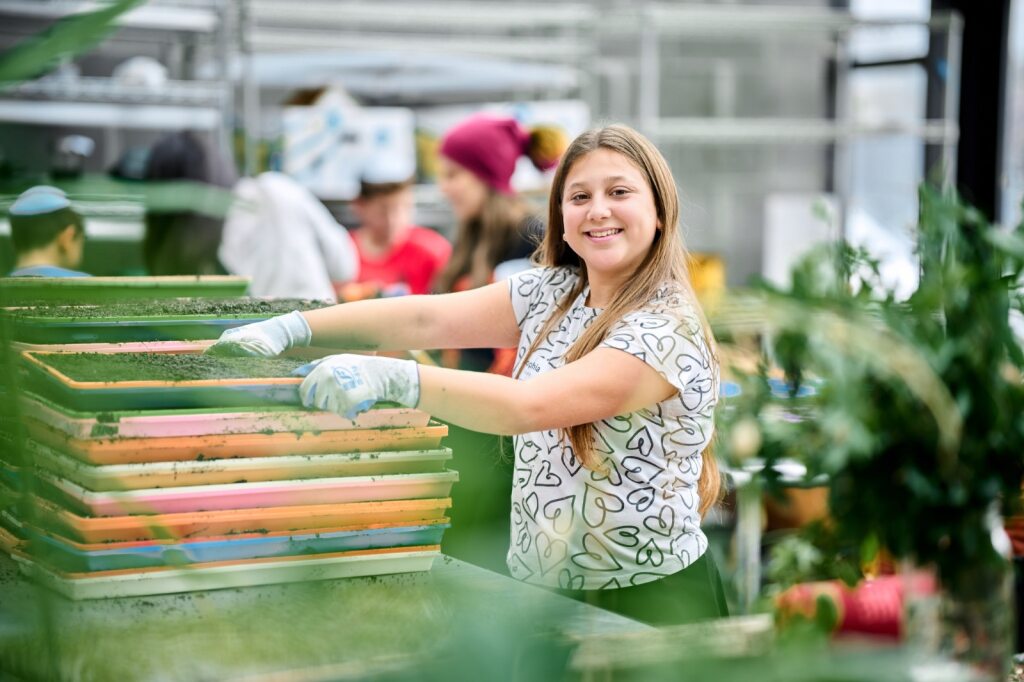
$10,000
Yad Ezra
to provide culturally relevant, nutrient rich, farm-fresh produce to low income clients, who would otherwise not have access to such.
Twelve Years of Engaging Jewish Teens…
High Schools Represented
- Aim High School
- Akiva Hebrew Day School
- Berkley High School
- Birmingham Groves
- Bloomfield Hills High School
- Canton High School
- Cranbrook Kingswood
- Detroit Country Day School
- Eton Academy
- Farber Hebrew Day School
- Frankel Jewish Academy
- Greenhills School
- Groves High School
- International Academy
- North Farmington High School
- Northville High School
- Oakland Early College
- Rochester Adams High School
- Seaholm High School
- The Roeper School
- Walled Lake Central High School
- Walled Lake Northern High School
- Walled Lake Western High School
- West Bloomfield High School
Congregations Represented
- Adat Shalom Synagogue
- Aish Detroit
- Congregation Beth Ahm
- Congregation Beth El (Windsor)
- Congregation Beth Shalom
- Congregation B’nai Moshe
- Congregation Or Chadash
- Congregation Shaarey Zedek
- Congregation Shir Tikvah Keter Torah
- Ohel Moed of Shomrey Emunah
- Or Chadash
- Partners in Torah
- Temple Emanu El
- Temple Israel
- Temple Shir Shalom
- The Birmingham Temple
- Unaffiliated
- Woodward Avenue Shul
- Young Israel of Oak Park
- Young Israel of Southfield
…and Impacting Our Community!
$1.03m
in grant dollars awarded
Focus Areas Addressed:
- Access to Healthcare
- Access to Mental Healthcare
- Adolescent Mental Health
- Anti-Semitism
- COVID-19
- Economic Hardship
- Family Communication
- Improving Accessibility to Physical and Mental Healthcare
- Increasing Inclusion and Accessibility
- Intimate Partner Violence
- Kindergarten Readiness & Early Childhood Health
- Older Adults
- Special Needs
- Substance Abuse
166
Grant Proposals Reviewed
147
Site Visits Conducted to
297
Jewish High School Students Engaged
55
Diverse Metro Detroit Nonprofits
73
Interns With Paid Work Experience at Local Nonprofits Funded by the Max M. and Marjorie S. Fisher Foundation
Financial Statements
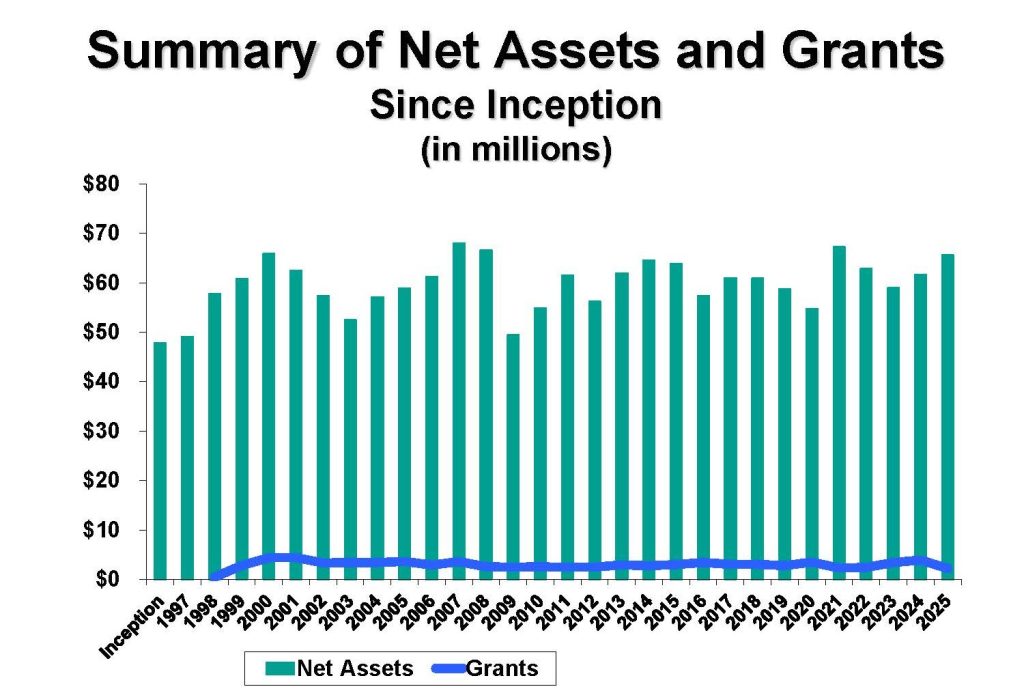
As of May 31st, The Jewish Fund’s grants and expenses totaled $2.8 million for the fiscal year. We had $65.7 million in total assets, an increase of $3.1 million over last year, which is a 5% increase. For the current year, we anticipate making approximately $3 million in grants. Every year we show this slide, because it succinctly presents a great story. The green bars show our net asset balances which fluctuated over the years with the market. However, the blue line shows that we were able to maintain a consistent level of grants regardless of the market’s performance. Our current net asset balance continues to be just about the same as our beginning fund balance in 1997, even with $83 million in grants awarded.
Board of Directors & Staff
The Jewish Fund
- Jeffrey B. Schlussel
- Chair
- Mark L. Kowalsky
- Vice Chair
- Peter M. Alter
- Carolyn Bellinson
- Michael Berger
- Roselyn Komisar Blanck
- Erika L. Bocknek, Ph.D., LMFT
- Penny Blumenstein*
- Jody Boorstein
- Sharlonda Buckman-Davis
- Jeffrey M. Devries, M.D., MPH
- Andy Doctoroff
- Michael Eizelman*
- Jennifer Friedman, Ph.D.
- Lynda Giles, Ph.D.
- Nancy Grosfeld*
- Jay Hack
- Steven Ingber
- Gilda Z. Jacobs
- Sherri L. Ketai
- Candace J. Kimpson, M.D.
- Justin F. Klamerus, M.D., MMM
- Richard Krugel, M.D.* זצ״ל
- Matthew B. Lester
- Beverly Liss
- Ilana K. Liss
- Rabbi Harold S. Loss
- Michael W. Maddin*
- Susie Pappas
- George M. Roberts
- Marta Rosenthal
- Steve Schanes
- Mark E. Schlussel*
- Karen Sosnick Schoenberg*
- Gary Torgow
- Leah Trosch
- Lawrence A. Wolfe
- Monica L. Woodson
- Dorothy Benyas
- Secretary / Treasurer
- Robert Sosnick זצ״ל
- Mark E. Schlussel
- Co-Founding Chairs
Staff of the Jewish Fund
- Margo Pernick
- Executive Director
- Laura Charnas
- Teen Board Director
- Shelby Bruseloff
- Teen Board Facilitator: Year 2
- Kristin Moskovitz
- Grants Administrator
Teen Board
Year One
- Arie Adamczyk
- Ellie BenEzra
- Gillian Charnas
- David Devaney
- Lauren Devaney
- Ami Doppelt
- Robbie Feldman
- Talia Glass
- Julia Goldman
- Jake Ingber
- Olivia Keller
- Louis Kowalsky
- Sari Kravitz
- Marni Levine
- Lily Liss
- Eli Ostroff
- Lindsay Philko
- Elia Pitt
- Sydney Rosenberg
- Carly Rosenthal
- Ammi Rotberg
- Kobi Schmeltz
- Jordan Schoenberg
- Olive Schostak
- Conner Sheridan
- Sefie Smith
- Emma Song
- Levi Yaker
Year Two
- Hugh Aaron
- Jamie Bloom
- Leah Cohen
- Matthew Devaney
- Zachary Elbinger
- Mia Feingold
- Molly Frankel
- Zeev Maine
- Ari Gottleib
- Ari Melamed
- Olivia Randal
- Betty Robinson
- Mia Schlussel
- Dylan Schoenberg
- Addie Sherman
- Zachary Sosin
- Leah Wine
Teen Board Leadership
- Becca Burnstein
- Caleb Goldstein
- Abby Klein
- Grace Kleinfeldt
- Ryan Michaels
- Kayla Silberg
- Levi Silverman
- Jonah Wittenberg